
























How Does Blockchain Work?
 ByHJunior
How Does Blockchain Work? A Complete Guide for Beginners and Professionals Many people ask, how does blockchain work? Understanding this technology is crucial in today’s digital world. Blockchain is not just a buzzword associated with cryptocurrencies; it’s a decentralized system that has the potential to transform industries, from finance and supply chains to healthcare and…
Table of Contents
ToggleHow Does Blockchain Work? A Complete Guide for Beginners and Professionals
Many people ask, how does blockchain work? Understanding this technology is crucial in today’s digital world. Blockchain is not just a buzzword associated with cryptocurrencies; it’s a decentralized system that has the potential to transform industries, from finance and supply chains to healthcare and governance. In this article, we will explain how blockchain work? in a detailed, conversational way, providing actionable insights, real-world examples, and practical tips to help you engage with this technology effectively. When you first encounter blockchain, it might seem complex. However, the underlying principles are logical and structured. A blockchain is essentially a distributed ledger where information is stored in blocks that are linked sequentially in a chain. This design makes it immutable, transparent, and secure. Asking “how does blockchain work?” is the first step to understanding its transformative potential for both businesses and individuals.
Understanding Blockchain Architecture
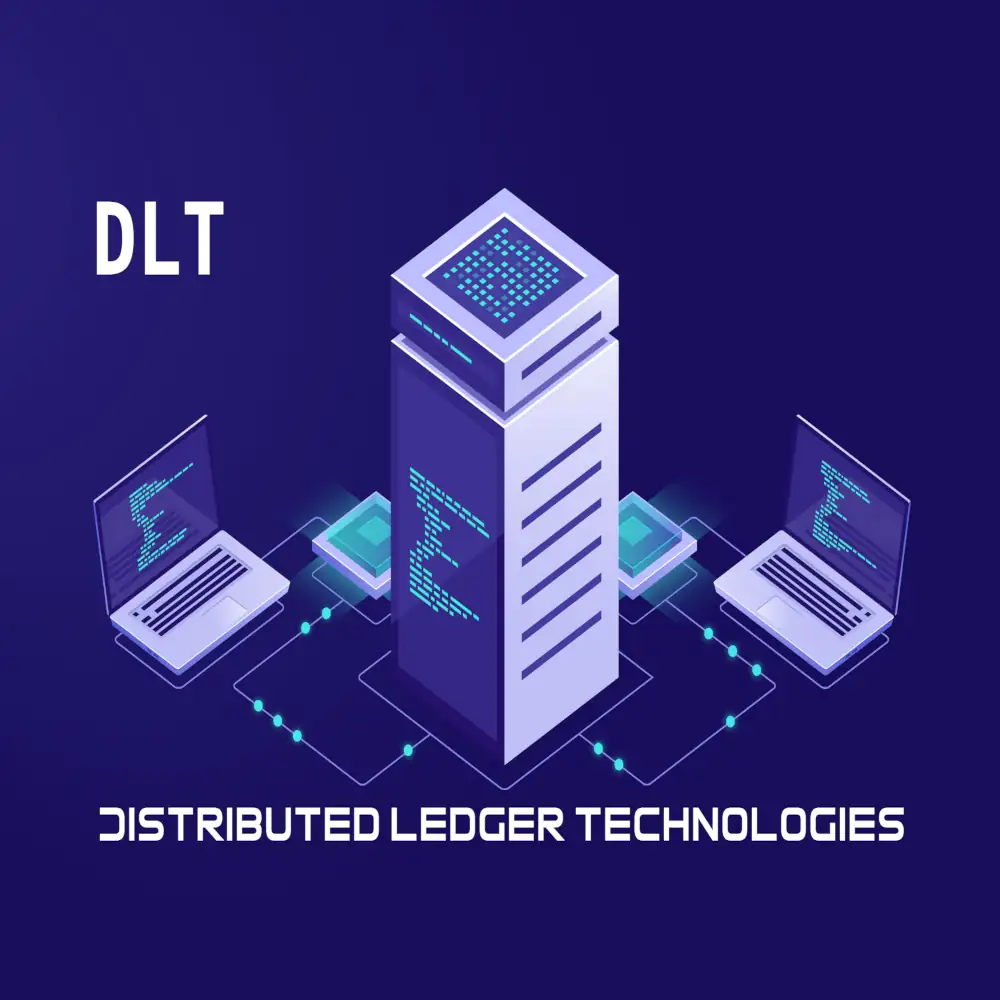
To comprehend how blockchain work?, you must first understand its architecture. At its core, blockchain consists of three main components: blocks, nodes, and consensus mechanisms. Each block contains data (usually transactions), a timestamp, and a cryptographic hash of the previous block. This linking ensures that altering one block would break the entire chain, providing security and trust. Nodes are individual computers that participate in the blockchain network. They maintain a copy of the ledger and validate transactions. Decentralization is a critical feature: no single entity controls the network, reducing the risk of fraud or manipulation. Consensus mechanisms, such as Proof of Work (PoW) and Proof of Stake (PoS), are used to agree on the validity of transactions, ensuring that all nodes share the same version of the ledger.How Blockchain Processes Transactions
One of the most frequent questions is how does blockchain work? in processing transactions. The process begins when a participant initiates a transaction. This transaction is broadcasted to the network, where nodes verify it according to predefined rules. Once verified, the transaction is grouped with others into a block, ready to be added to the chain. The block is then confirmed through a consensus mechanism. For example, in PoW blockchains like Bitcoin, miners compete to solve a complex cryptographic puzzle. The first miner to solve it validates the block, adds it to the chain, and broadcasts the updated ledger to all nodes. This method ensures that every transaction is secure, transparent, and immutable.Smart Contracts and Automation in Blockchain
Another aspect to understand how blockchain work? is smart contracts. These are self-executing programs stored on the blockchain that automatically enforce rules when conditions are met. Smart contracts reduce reliance on intermediaries, cut costs, and enhance efficiency. They are widely used in decentralized finance (DeFi), token issuance, and supply chain management. Decentralized applications (dApps) also rely on blockchain technology. These applications operate on a decentralized network rather than a single server, providing transparency and trust to users. By exploring dApps, you can see practical examples of how blockchain work? beyond simple financial transactions, expanding the potential use cases of this technology.Security and Integrity in Blockchain Networks
Security is a crucial factor when understanding how blockchain work? Each block is secured using cryptographic hashes, linking it to the previous block. Any attempt to modify data changes the hash, alerting the network to tampering attempts. This ensures data integrity and trust among participants. Despite its robust design, blockchain is not immune to external threats. Security risks often stem from human error, phishing attacks, or compromised wallets. Users must implement strong security practices, including two-factor authentication, secure key management, and awareness of potential scams. Learning how blockchain work? is incomplete without acknowledging these security considerations and preventive measures.Blockchain Applications Across Industries
Understanding how blockchain work? also involves recognizing its real-world applications. Blockchain is far more than cryptocurrencies:- Finance: Blockchain enables faster, cheaper, and secure transactions, reducing reliance on banks and payment processors.
- Supply Chain: It allows transparent tracking of goods from origin to consumer, reducing fraud and increasing efficiency.
- Healthcare: Patient records can be securely stored and shared, improving data integrity and access control.
- Real Estate: Property transactions can be simplified, verified, and recorded immutably, reducing paperwork and fraud risks.
- Governance: Blockchain enhances transparency in voting, public records, and government services.
Tips for Beginners to Engage with Blockchain
If you are curious about how blockchain work? and want to start engaging with it, consider the following tips:- Start Small: Begin with small investments or test transactions to understand blockchain mechanics.
- Secure Your Wallet: Choose wallets with strong encryption or hardware wallets for significant assets.
- Learn About dApps: Explore decentralized applications to understand practical blockchain use cases.
- Stay Informed: Follow blockchain news, regulatory updates, and technological advancements.
- Participate in Communities: Engage in forums and online groups to exchange knowledge and insights.
- Experiment with Smart Contracts: Learn how to create or interact with smart contracts to automate processes.
Challenges and Limitations of Blockchain
While blockchain offers numerous advantages, it has challenges that must be addressed. Understanding how blockchain work? means acknowledging scalability issues, energy consumption, and transaction speed limitations. PoW blockchains, for example, require substantial computational power, leading to high energy use. Solutions such as PoS, sharding, and layer-two scaling mechanisms are emerging to tackle these challenges. Regulatory compliance is another concern. Blockchain operates across borders, but laws vary by country. Users and businesses must navigate these regulations to ensure legal adherence while leveraging blockchain advantages effectively.Future Trends in Blockchain Technology
Exploring how blockchain work? also involves anticipating future trends. Interoperability between blockchains, integration with AI, and use in IoT are key areas of development. Blockchain is expected to play a major role in digital identity, decentralized finance, and supply chain optimization, offering new opportunities for innovation. Enterprise adoption is growing, with corporations exploring blockchain for internal processes, contract management, and secure data sharing. Governments are experimenting with blockchain for voting systems, public records, and identity verification. This trend highlights the increasing relevance of understanding how blockchain work? for professionals across multiple sectors.Common Misconceptions About Blockchain
Many misunderstand how blockchain work? One myth is that blockchain is only relevant for cryptocurrencies. In reality, it is applied in supply chains, healthcare, real estate, and governance. Another misconception is that blockchain transactions are entirely anonymous; they are pseudonymous and traceable, often subject to compliance regulations. Recognizing these misconceptions is crucial for effectively leveraging blockchain in business strategies or personal use. Awareness helps users avoid pitfalls and ensures that blockchain’s true potential is realized in practical applications.FAQs About How Blockchain Work?
What does “Blockchain work?” mean? It refers to understanding how blockchain operates, including transaction validation, block creation, and consensus mechanisms. Is Blockchain secure? Yes, due to cryptographic hashes and decentralization. However, users must maintain strong security practices to protect assets and data. Can Blockchain be used beyond cryptocurrencies? Absolutely. Blockchain is applied in finance, supply chains, healthcare, governance, and digital identity solutions. How do I start using Blockchain? Educate yourself, create a secure wallet, experiment with small transactions, explore dApps, and engage with blockchain communities. Will Blockchain replace traditional systems? Blockchain may complement or disrupt existing systems, depending on the industry and adoption rates. It is more likely to enhance transparency, security, and efficiency rather than completely replace all traditional systems. What’s your experience with blockchain so far? Have you tried smart contracts or dApps? How do you think understanding how blockchain work? could benefit your personal or professional projects? Share your thoughts in the comments below! Sources:- https://www.blackduck.com/glossary/what-is-blockchain.html
- https://www.acolabam.com.br/blog/como-usar-blockchain
- https://pt.wikipedia.org/wiki/Blockchain
- https://en.wikipedia.org/wiki/Blockchain
- https://aws.amazon.com/what-is/blockchain/?nc1=h_ls
- https://blog.bitso.com/pt-br/tecnologia/o-que-validacao-blockchain
- https://www.acolabam.com.br/blog/como-usar-blockchain
- https://www.investopedia.com/terms/c/consensus-mechanism-cryptocurrency.asp
Author comments
I am currently fully dedicated to studying and training to become a Blockchain Programmer. This is one of the projects I am developing during the course, and I decided to share it here with you. I created this website with the goal of improving my studies, focusing even more on the Blockchain area, as well as keeping up with articles and news on the topic and expanding my professional network.
Although the main focus of the site is Blockchain, I needed to implement some monetization strategies to cover maintenance costs. However, I am concerned with offering a clean and pleasant experience: the ads have been configured to appear only on the sides of the pages, without interfering with reading. Thus, visitors can access quality content without distractions and with an organized layout.