

























CFTE Education: For you to excel in the new era of finance

MASTERCLASS: for YOU TO EXCEL IN THE NEW ERA OF FINANCE Start your Web3 journey and transform your workforce with CFTE CFTE Education: Your Gateway to Mastering the New Era of Finance The financial world is undergoing its most significant transformation since the advent of digital banking, driven by technologies like Blockchain and digital…
CFTE Education: Your Gateway to Mastering the New Era of Finance
The financial world is undergoing its most significant transformation since the advent of digital banking, driven by technologies like Blockchain and digital assets. In this new landscape, traditional finance professionals risk obsolescence without the right knowledge. This is where CFTE Education emerges as a critical partner for career growth. Their specialized programs are designed to bridge the gap between conventional Finance and the decentralized future, offering a comprehensive understanding of how technologies like NFT and digital assets are reshaping global markets. For anyone in the financial sector, this education isn’t just an advantage—it’s becoming a necessity.
The convergence of technology and Finance is creating entirely new asset classes, business models, and regulatory challenges. Understanding the mechanics of Blockchain is no longer a niche skill for tech enthusiasts; it’s core knowledge for bankers, asset managers, and financial analysts. CFTE Education recognizes this shift and provides structured learning paths that demystify complex topics. From the tokenization of real-world assets to the economic implications of decentralized Finance, their curriculum prepares professionals to not just adapt, but to lead in this new era.
Donation
Coffee to stay awake, thank you very much for your contribution to keeping our website online.
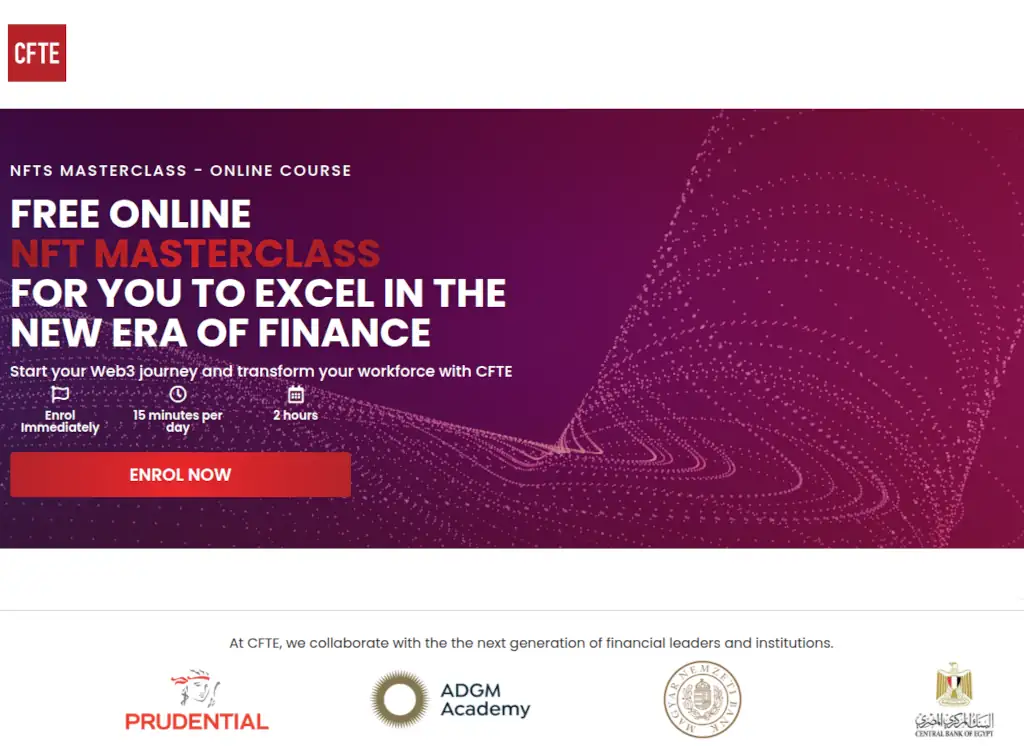
Image Credit: CFTE Education
The Foundation of Modern Finance: Understanding Blockchain Technology
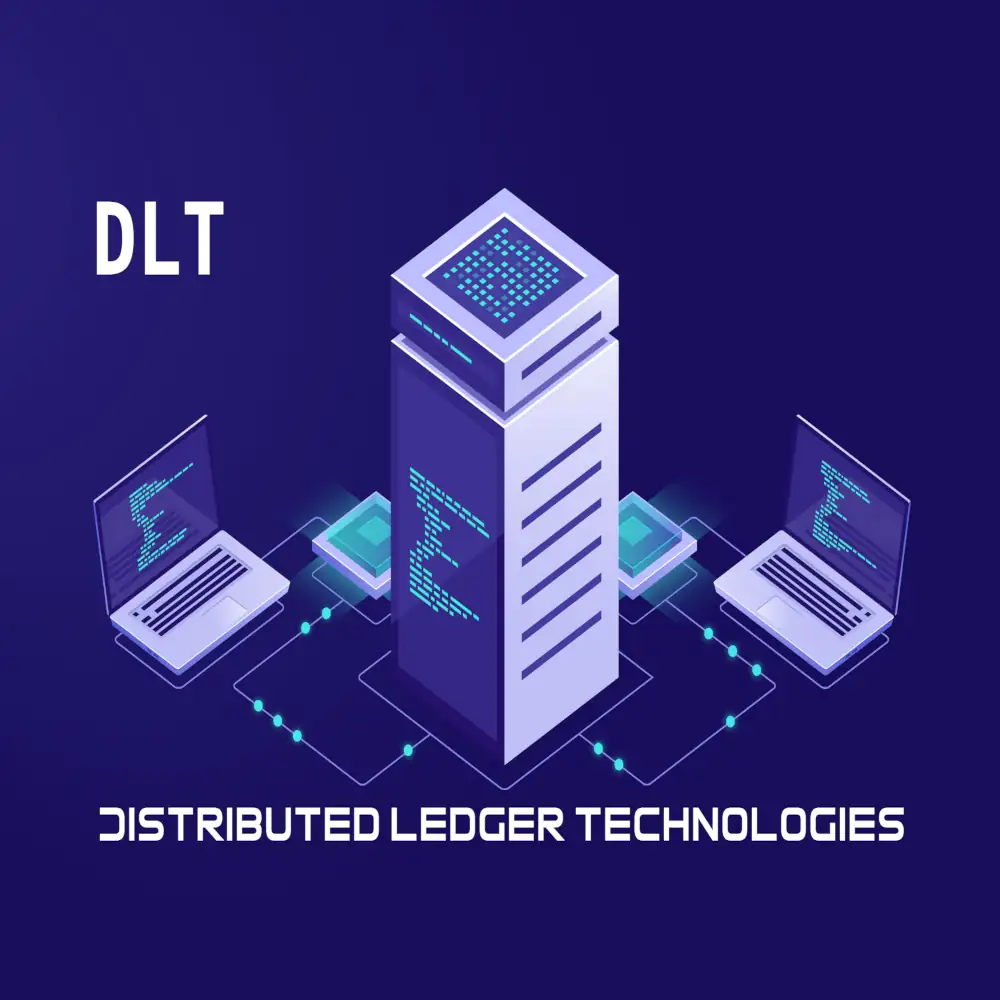
At the core of the financial revolution lies Blockchain technology, a decentralized ledger system that provides unprecedented transparency and security. For financial institutions, the implications are profound. Blockchain enables faster settlement times, reduces counterparty risk, and eliminates numerous intermediaries. CFTE Education courses break down these technical concepts into business-relevant insights, explaining how distributed ledger technology can streamline operations in trade Finance, cross-border payments, and securities settlement. This foundational knowledge is essential for any professional looking to understand the future mechanics of global Finance.
The Rise of Digital Assets and Tokenization in Financial Markets
Beyond cryptocurrencies, the tokenization of assets represents one of the most significant opportunities in modern Finance. Through platforms like CFTE Education, professionals learn how real-world assets—from real estate to fine art—are being digitized on the Blockchain. This process of tokenization increases liquidity, enables fractional ownership, and opens new investment avenues. The curriculum covers the entire lifecycle of digital assets, from creation and custody to trading and regulatory compliance. This comprehensive approach ensures that financial professionals can navigate the practical challenges and opportunities presented by asset tokenization.
NFTs: Beyond Digital Art to Financial Innovation
While Non-Fungible Tokens (NFT) gained popularity through digital art, their potential in Finance is far more substantial. CFTE Education explores how NFT technology is being used to represent ownership of various financial instruments and real-world assets. Their courses demonstrate practical applications, including:
- Fractional Real Estate Ownership: Using NFT to represent shares in property investments.
- Supply Chain Finance: Tokenizing invoices and trade documents to improve transparency.
- Intellectual Property Rights: Managing and monetizing IP through tokenized representations.
- Digital Identity and Credentials: Creating verifiable professional certifications and KYC documents.
This expanded view of NFT applications reveals their true potential in transforming financial services.
Regulatory Landscape and Compliance in Digital Finance
As digital assets become mainstream, regulatory frameworks are evolving rapidly. CFTE Education provides crucial insights into the global regulatory environment for Blockchain and digital assets. Their courses cover anti-money laundering (AML) requirements for digital assets, securities regulations governing token offerings, and the tax implications of cryptocurrency transactions. This knowledge is vital for financial institutions seeking to integrate digital assets while maintaining compliance. Understanding these regulatory nuances helps professionals navigate the complex intersection of innovation and compliance in modern Finance.
Building Practical Skills for the Future of Finance
Theoretical knowledge alone is insufficient in the rapidly evolving world of digital Finance. CFTE Education emphasizes practical, applicable skills that professionals can immediately implement in their roles. Their project-based learning approach covers:
- Digital Asset Strategy Development: Creating frameworks for institutional adoption of Blockchain technology.
- Risk Assessment for Crypto Assets: Developing methodologies to evaluate emerging digital investment opportunities.
- Tokenomics Design: Understanding the economic models behind successful digital assets and NFT projects.
- Implementation Roadmaps: Planning the integration of Blockchain solutions within traditional financial institutions.
These practical skills bridge the gap between understanding the technology and applying it effectively in financial contexts.
Donation
Coffee to stay awake, thank you very much for your contribution to keeping our website online.
Image Credit: CFTE Education
FAQ About CFTE Education
- What background do I need for CFTE courses? While a basic understanding of Finance is helpful, CFTE Education designs its programs to be accessible to professionals from various backgrounds, including banking, technology, and consulting.
- How does CFTE Education differ from traditional finance courses? CFTE Education focuses specifically on the intersection of emerging technologies and Finance, offering practical knowledge about Blockchain, digital assets, and NFT that most traditional programs don’t cover.
- Are the certifications from CFTE recognized by employers? Yes, CFTE Education has partnerships with major financial institutions and their certifications are increasingly valued by employers in the fintech and digital finance sectors.
- Can I balance CFTE courses with a full-time job? Absolutely. CFTE Education offers flexible online learning formats designed specifically for working professionals, with self-paced modules and evening live sessions.
Conclusion
The transformation of Finance through technologies like Blockchain and digital assets is not a distant future—it’s happening now. Financial professionals who fail to adapt risk being left behind in an industry that’s rapidly embracing innovation. CFTE Education provides the essential knowledge and skills needed to excel in this new era, offering comprehensive education that bridges traditional Finance with cutting-edge technology. From understanding the fundamentals of Blockchain to exploring the business applications of NFT, their programs equip professionals with the tools to lead rather than follow. In the evolving landscape of global Finance, continuous learning through platforms like CFTE Education is the most valuable investment a professional can make.
Sources
- https://courses.cfte.education/online-nft-masterclass-learn-nfts-for-free/
- https://courses.cfte.education/free-online-blockchain-masterclass/
- https://courses.cfte.education/online-courses-sg/online-artificial-intelligence-in-finance-masterclass-learn-ai-for-free/
Which aspect of the convergence between technology and finance do you find most challenging to understand? Are you more interested in the technical aspects of Blockchain, the investment potential of digital assets, or the regulatory framework surrounding this new ecosystem? Share your thoughts and questions below!