
















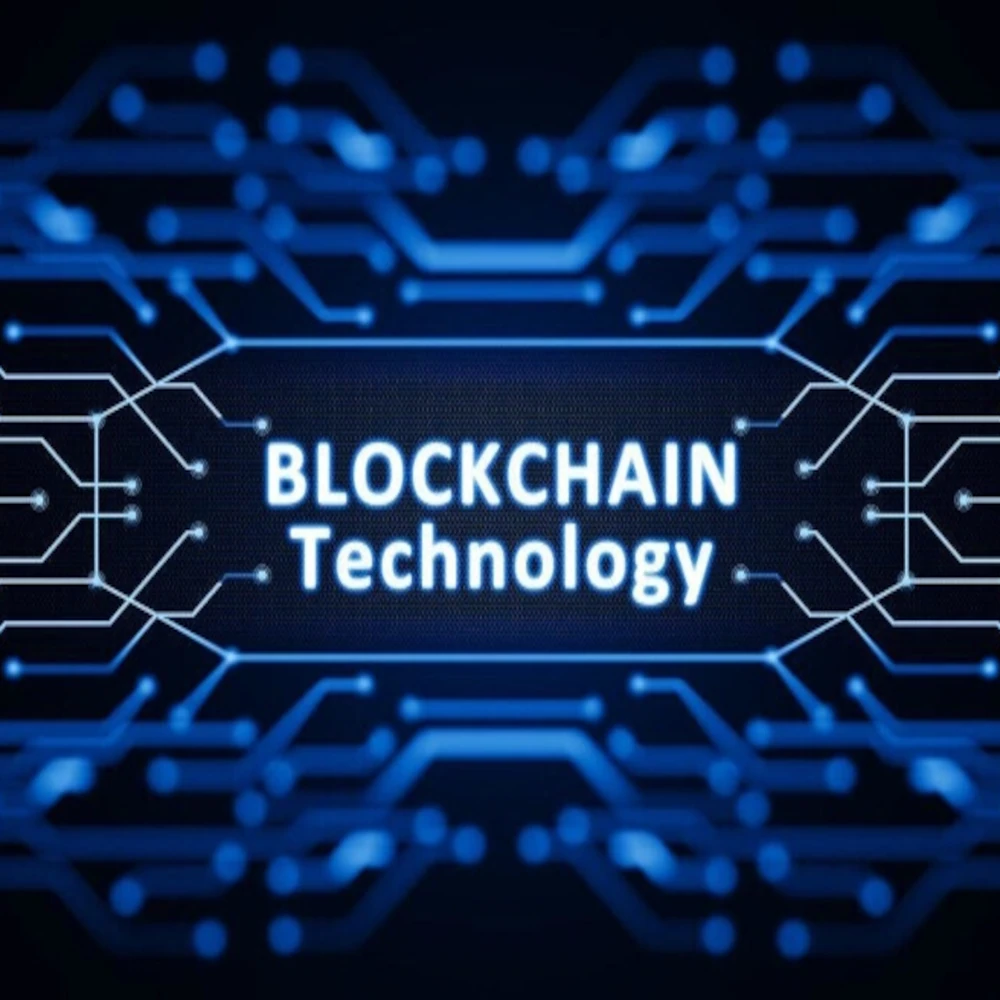
Blockchain’s Main Characteristics

Blockchain’s Main Characteristics Blockchain is a revolutionary technology that is reshaping industries and redefining the way digital transactions are managed. From finance to supply chain management, understanding blockchain is crucial for anyone looking to leverage its benefits. This article will delve deep into the main characteristics of blockchain, explaining why it is considered a secure,…
Blockchain’s Main Characteristics
Blockchain is a revolutionary technology that is reshaping industries and redefining the way digital transactions are managed. From finance to supply chain management, understanding blockchain is crucial for anyone looking to leverage its benefits. This article will delve deep into the main characteristics of blockchain, explaining why it is considered a secure, transparent, and decentralized system.
Decentralization in Blockchain
One of the most defining features of blockchain is decentralization. In simple terms, decentralization means that no single entity controls the network. Instead, control and decision-making are distributed across a network of participants. This design minimizes the need for trust between parties and prevents central points of failure that could compromise the system’s integrity.
Decentralization is not binary; it exists on a spectrum. While some blockchain applications are more centralized than others, the goal is generally to maximize fairness, transparency, and resilience. A fully decentralized system ensures that every participant has equal access to data and the power to verify transactions independently, enhancing trustworthiness across the network.
Benefits of a Decentralized Network
- Trustless Environment: Participants do not need to know or trust each other. Each node has a complete copy of the ledger, ensuring any alterations are detected and rejected.
- Data Reconciliation: Decentralized ledgers eliminate discrepancies arising from multiple data silos, providing a single source of truth in real-time.
- Reduced Vulnerabilities: By distributing control, blockchain reduces dependence on specific actors, lowering the risk of systemic failures.
- Optimized Resource Distribution: Decentralization ensures that resources are allocated efficiently, improving consistency and reducing chances of service disruption.
Transparency and Security
Blockchain is inherently transparent. Every transaction is recorded in a permanent ledger visible to all participants, ensuring accountability. This transparency is coupled with robust security, as altering any data requires consensus from the network. Industries such as logistics, healthcare, and finance benefit greatly from this combination, as it enables accurate tracking, verification, and auditability of information.
Immutability: A Key Feature
Another core characteristic of blockchain is immutability. Once data is recorded on a blockchain, it cannot be altered or deleted without network consensus. This feature safeguards against fraud and manipulation, making blockchain ideal for applications requiring high data integrity, such as digital identity management, smart contracts, and regulatory compliance.
Practical Applications of Blockchain
The unique properties of blockchain make it suitable for a wide array of applications. In finance, blockchain underpins cryptocurrencies like Bitcoin and Ethereum, enabling secure peer-to-peer transactions. Supply chains leverage blockchain to trace products from origin to destination, reducing errors and enhancing transparency. Additionally, blockchain supports the creation of smart contracts, which execute automatically when predefined conditions are met.
Challenges and Considerations
Despite its benefits, blockchain comes with challenges. Decentralized networks can suffer from lower transaction throughput compared to centralized systems. Energy consumption, particularly in proof-of-work blockchains, is another critical concern. Developers and organizations must carefully consider these factors when implementing blockchain solutions.
The Future of Blockchain
As blockchain technology matures, its adoption across various industries is expected to grow. Innovations such as proof-of-stake consensus mechanisms, layer-2 scaling solutions, and interoperable blockchains are addressing current limitations. By understanding its main characteristics—decentralization, transparency, and immutability—businesses and individuals can better harness blockchain for secure, efficient, and trustworthy operations.
Conclusion
Blockchain’s main characteristics make it a transformative technology. Its decentralized structure fosters trustless interactions, transparency ensures accountability, and immutability guarantees data integrity. Whether in finance, logistics, or governance, understanding these features allows stakeholders to implement blockchain solutions effectively and responsibly.
Have you explored blockchain in your projects? What challenges or successes have you encountered? Share your experiences in the comments below!
FAQ
- What is blockchain? Blockchain is a distributed ledger technology that records transactions securely and transparently.
- Why is decentralization important? It reduces reliance on central authorities and increases trust among participants.
- What does immutability mean in blockchain? Immutability ensures that once data is recorded, it cannot be altered without consensus.
- Where is blockchain applied? Finance, supply chains, healthcare, digital identity, and smart contracts are common use cases.
- What are the challenges of blockchain? Key challenges include energy consumption, transaction throughput, and regulatory compliance.
Sources:
- https://aws.amazon.com/pt/web3/decentralization-in-blockchain
- https://eship.com.br/blockchain-na-logistica-transparencia-e-seguranca
- https://www.bry.com.br/blog/blockchain-em-contratos
- https://www.bry.com.br/blog/blockchain-em-contratos/#a-revolucao-da-blockchain-na-saude
- https://www.youtube.com/watch?v=ztaZ-WQObQI
- https://bit.telkomuniversity.ac.id/blockchain-transforming-the-way-we-view-data-security-and-transparency
- https://www.moneytimes.com.br/o-mito-de-imutabilidade-do-blockchain-parte-1-o-que-e-imutabilidade
- https://blog.cfte.education/immutable-ledger-in-blockchain