













Blockchain NFT: The Origins and History of NFTs

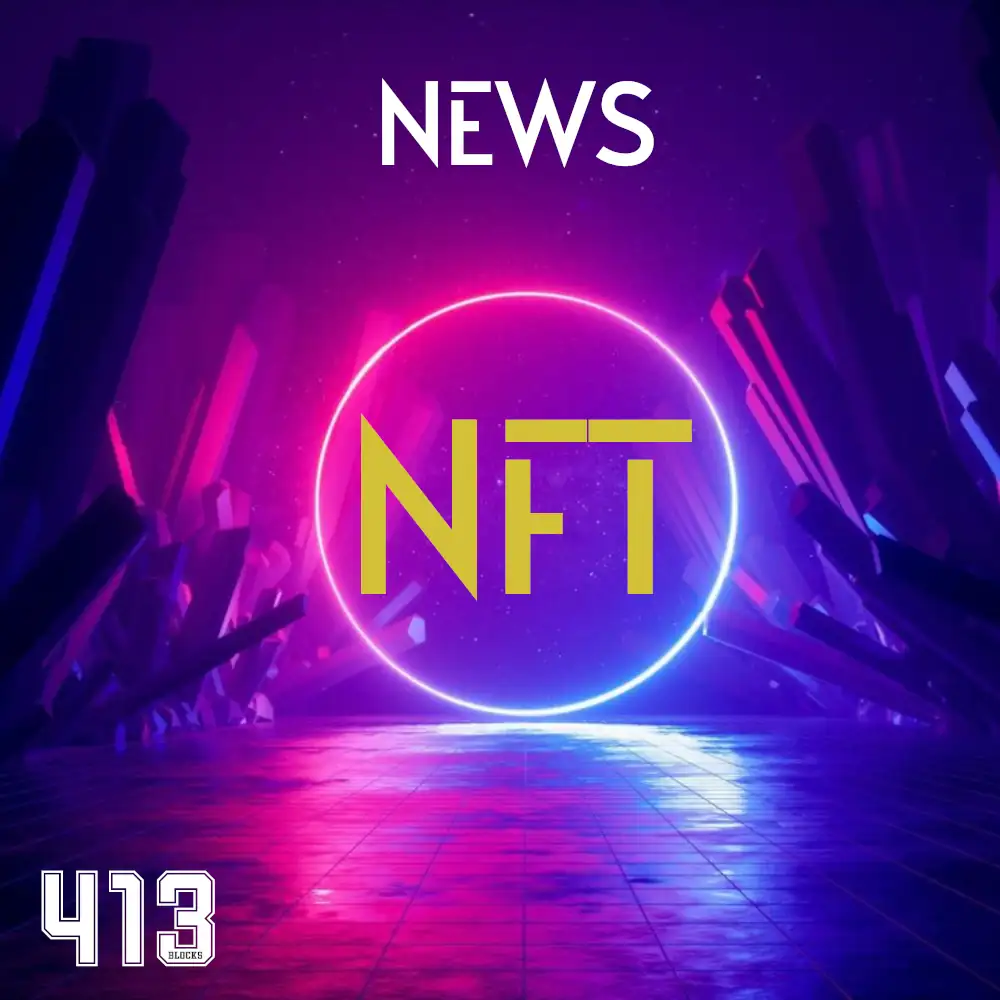
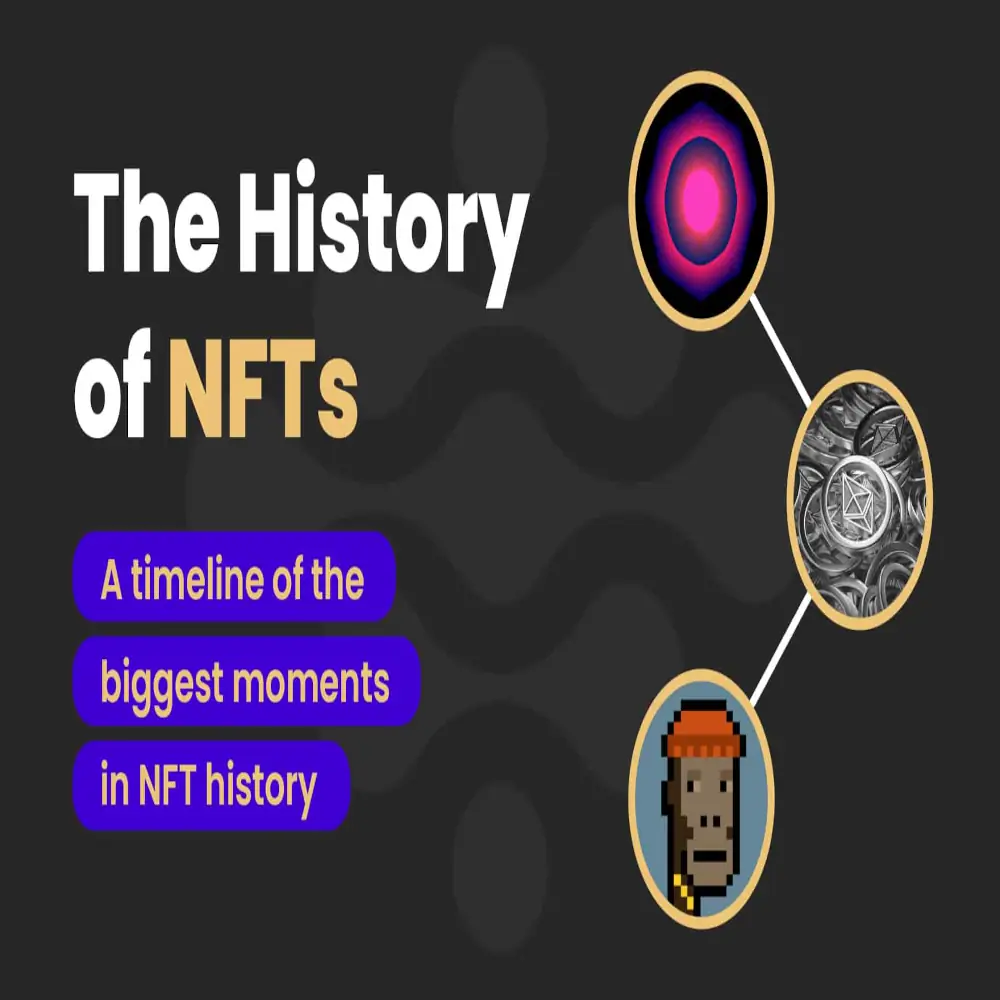
The Origins and History of NFTs Non-fungible tokens, commonly known as NFTs, have made a remarkable impact in both digital art and blockchain technology. Understanding the history of NFTs uncovers fascinating developments from their beginnings to becoming a popular and valuable digital asset today. The first NFT sold was called “Quantum,” a unique digital artwork…
The Origins and History of NFTs
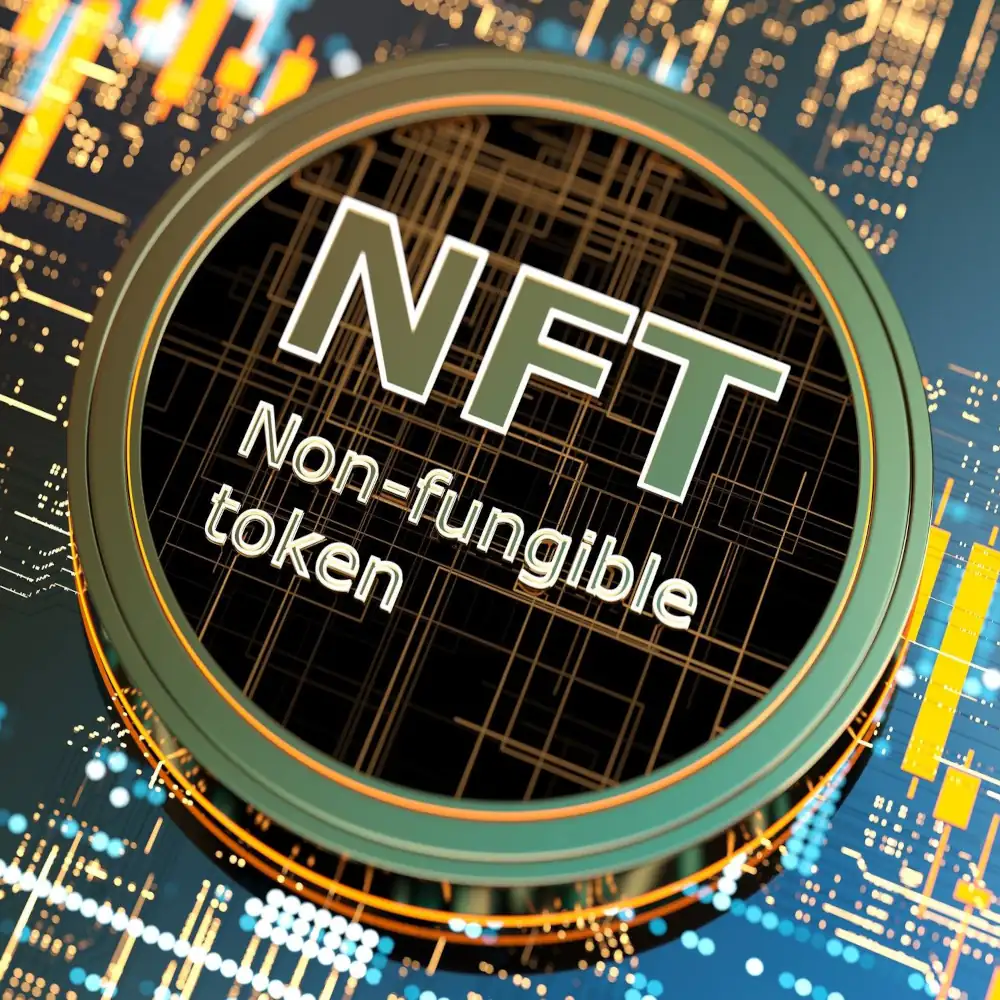
Non-fungible tokens, commonly known as NFTs, have made a remarkable impact in both digital art and blockchain technology. Understanding the history of NFTs uncovers fascinating developments from their beginnings to becoming a popular and valuable digital asset today. The first NFT sold was called “Quantum,” a unique digital artwork created by Kevin McCoy. This NFT was initially developed and announced in 2014 on the Namecoin blockchain, making it the pioneering token representing true digital ownership. Years later, in 2021, the NFT “Quantum” was officially sold through auction, marking a significant milestone in the NFT marketplace.
Kevin McCoy, alongside Anil Dash, is widely credited for who developed this first NFT, and their innovation laid the foundation for NFT technology that transforms digital assets into one-of-a-kind collectibles. Since its announcement, the NFT ecosystem has grown exponentially, powered largely by the Ethereum blockchain and multiple token standards such as ERC-721 and ERC-1155. These developments have not only revolutionized digital art sales and collectibles but also paved the way for new forms of digital property ownership and interactive experiences.
The Evolution of NFT Technology and Standards
The journey of NFTs did not end with the first NFT sold like Quantum. It quickly evolved with advancements that made NFTs more accessible, secure, and usable. Ethereum introduced the ERC-721 token standard in 2017, setting rules for creating and transferring NFTs, providing a universal language for developers and artists to engage with blockchain. Soon after, the ERC-1155 standard arrived, enabling the bundling of multiple NFTs within a single contract to reduce transaction costs and increase efficiency.
This evolution allowed projects such as CryptoKitties to gain worldwide recognition. CryptoKitties, launched in 2017, was one of the first games to make NFTs collectible and tradable in a fun and approachable way, sparking massive interest and adoption. Similarly, virtual worlds like Decentraland expanded NFT use cases by allowing ownership of virtual real estate confirmed via NFT technology. These projects demonstrated practical applications of the technology beyond simple collectibles, highlighting NFTs’ flexibility and appeal.
Understanding NFT Value and Market Impact
The value of NFTs is closely tied to their uniqueness, verifiable ownership, and the market demand created by collectors and enthusiasts. The NFT market witnessed landmark sales, most notably Beeple’s digital artwork “Everydays: The First 5000 Days,” which sold for $69.3 million in March 2021. This sale underscored how NFTs have become significant within the traditional art market and digital culture, leveraging blockchain to certify authenticity and provenance.
What makes NFTs especially fascinating is their ability to democratize access to art ownership and investment, as well as activate new revenue streams for creators. However, NFT values heavily rely on collector willingness to pay and perceived cultural significance, not unlike traditional art markets. This dynamic creates vibrant communities and marketplaces but can also introduce volatility and speculative risks.
Image credit: https://unsplash.com/pt-br/s/fotografias/universe
Key Tips for Engaging with NFTs Today
For those curious about entering the NFT space, understanding its history helps navigate the digital asset landscape wisely. Here are five practical tips if you want to explore or invest in NFTs:
- Research the NFT’s origin: Always check the creator’s reputation and the history behind the NFT to ensure authenticity.
- Understand blockchain standards: Learn about ERC-721 and ERC-1155 standards to identify tokens’ capabilities and protections.
- Use reputable marketplaces: Platforms like OpenSea, Rarible, and Foundation offer curated, safer environments for buying and selling.
- Beware of speculation: NFT prices can fluctuate wildly; invest only what you can afford without expecting guaranteed returns.
- Engage with communities: Follow social media, forums, and artist groups to stay updated on trends and new projects.
Future Trends and Innovations in NFTs
The future of NFTs continues to be promising and dynamic. Beyond art and collectibles, NFTs are expanding into gaming, music, virtual real estate, and even identity verification. Innovations like fractional ownership and cross-chain interoperability are making NFTs more accessible and useful. Companies and creators are also exploring sustainability by reducing energy use from blockchain transactions, addressing past criticisms.
With constant technological improvements and broader adoption, NFTs may redefine how people conceive value and ownership in a digital-first world. Whether you are a creator, collector, or technologist, understanding the history and potential of NFTs positions you to benefit from this revolutionary digital asset class.
Frequently Asked Questions about NFTs
- What was the first NFT ever created? The first NFT ever created was “Quantum,” designed by Kevin McCoy in 2014.
- Who developed the NFT concept? Kevin McCoy and Anil Dash are credited with developing the first true NFT.
- When was the first NFT sold? The first major NFT sale of “Quantum” took place in 2021.
- What makes an NFT unique? NFTs are unique because each token has distinct information that cannot be copied, verified on a blockchain.
- How can I safely buy NFTs? Use well-established marketplaces and conduct thorough research on the NFTs and creators before purchasing.
Engage with Us: What Are Your Thoughts on NFTs?
Have you ever owned or considered investing in an NFT? What aspects of NFT history or technology fascinate you the most? Feel free to share your experiences, questions, or opinions in the comments below. Let’s dive into this digital revolution together!
[1](https://en.wikipedia.org/wiki/Non-fungible_token)
[2](https://101blockchains.com/history-of-nfts/)
[3](https://www.lcx.com/the-history-of-nfts/)
[4](https://www.britannica.com/topic/non-fungible-token-data)
[5](https://www.investopedia.com/non-fungible-tokens-nft-5115211)
[6](https://www.axios.com/2021/06/10/first-nft-sold)
[7](https://rebusfarm.net/blog/from-pixels-to-profits-a-deep-dive-into-the-nfts-history)
[8](https://www.nytimes.com/2021/03/11/arts/design/what-is-an-nft.html)
[9](https://www.sothebys.com/en/articles/a-brief-history-of-nfts-and-digital-art)
[10](https://en.wikipedia.org/wiki/Everydays:_the_First_5000_Days)