

















About Blockchain
 ByHJunior
Start About Blockchain: A Comprehensive Guide for Beginners and Enthusiasts When we talk about Blockchain, we are referring to one of the most transformative technologies of the 21st century. Whether you are a beginner curious about how it works or an entrepreneur looking to leverage it for your business, understanding blockchain is essential. In this…
Table of Contents
ToggleStart About Blockchain: A Comprehensive Guide for Beginners and Enthusiasts
When we talk about Blockchain, we are referring to one of the most transformative technologies of the 21st century. Whether you are a beginner curious about how it works or an entrepreneur looking to leverage it for your business, understanding blockchain is essential. In this article, we will explore what blockchain is, how it functions, its real-world applications, and practical tips to engage with it effectively. The goal is to provide actionable insights while maintaining a conversational and approachable tone.
The concept of blockchain has become central to discussions about digital finance, supply chain transparency, and even governance. At its core, blockchain is a decentralized ledger technology that enables secure, transparent, and immutable record-keeping. But beyond these definitions, blockchain offers a host of opportunities for innovation, from decentralized applications (dApps) to smart contracts and digital assets.
Understanding Blockchain: The Fundamentals
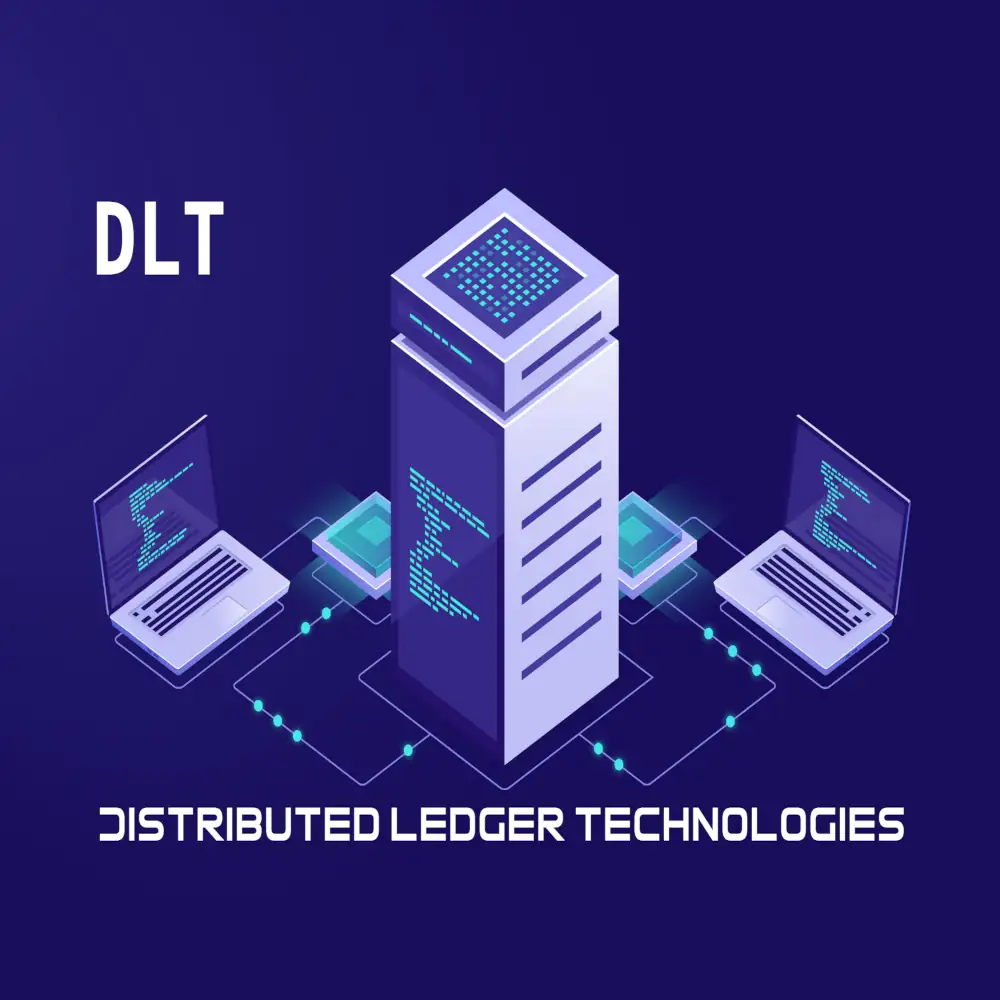
To start, it’s important to grasp the fundamentals of blockchain. Essentially, a blockchain is a distributed database where data is stored in blocks that are linked chronologically in a chain. Each block contains a set of transactions, a timestamp, and a reference to the previous block. This structure ensures that data cannot be altered without the consensus of the network, making blockchain highly secure and tamper-resistant.
One key component of blockchain is decentralization. Unlike traditional databases, which are controlled by a central authority, blockchain networks distribute control across multiple nodes. This means no single entity can manipulate the data, increasing trust among participants. Additionally, blockchain networks rely on consensus mechanisms, such as Proof of Work (PoW) or Proof of Stake (PoS), to validate transactions and maintain the integrity of the system.
Practical Uses of Blockchain Across Industries
Blockchain is not just about cryptocurrencies like Bitcoin. Its applications span a wide range of industries:
- Finance: Blockchain enables secure peer-to-peer transactions, reducing the need for intermediaries and increasing transaction transparency.
- Supply Chain: Companies use blockchain to track products from origin to consumer, ensuring authenticity and reducing fraud.
- Healthcare: Patient records can be securely stored and shared across providers while maintaining privacy and integrity.
- Real Estate: Blockchain facilitates property transfers and ownership verification, minimizing paperwork and fraud risk.
- Governance: Voting systems and public records can be recorded on blockchain to increase transparency and reduce manipulation.
Understanding these applications helps to see why blockchain is gaining momentum globally. It’s not merely a technology; it’s a paradigm shift in how we handle data and trust in digital environments.
How Blockchain Works: Transactions and Validation
Every blockchain transaction follows a specific process. When a user initiates a transaction, it is broadcast to the network of nodes for verification. Each node checks the transaction against a set of pre-defined rules, ensuring it is valid. Once verified, the transaction is grouped with others into a block. The block is then added to the existing chain through a consensus mechanism.
The security of blockchain comes from its cryptographic principles. Each block contains a cryptographic hash of the previous block, creating a chain of blocks that is nearly impossible to tamper with. If someone attempts to alter a block, the hash changes, and the network rejects the modification. This ensures integrity and makes blockchain highly resilient to attacks.
Getting Started with Blockchain: Wallets, Exchanges, and Tools
For those looking to interact with blockchain, understanding digital wallets is essential. A blockchain wallet allows you to store and manage cryptocurrencies securely. There are different types of wallets, including hardware wallets, software wallets, and mobile wallets. Each has its advantages, with hardware wallets offering the highest security for long-term storage.
Exchanges are another key aspect. Platforms like Binance, Coinbase, and Kraken allow users to buy, sell, and trade digital assets. It’s important to choose reputable exchanges with strong security measures. Beginners should start with small transactions and gradually build experience while keeping security practices in mind.
Smart Contracts and Decentralized Applications
One of the most exciting aspects of blockchain is the use of smart contracts. These are self-executing agreements coded into the blockchain that automatically enforce terms when conditions are met. Smart contracts reduce the need for intermediaries, cut costs, and increase efficiency in various business processes.
Decentralized applications, or dApps, leverage blockchain to create services that run on a decentralized network rather than a single server. Examples include decentralized finance (DeFi) platforms, gaming applications, and NFT marketplaces. Engaging with dApps allows users to participate in the blockchain ecosystem in innovative ways, beyond traditional cryptocurrency trading.
Security and Challenges in Blockchain
While blockchain offers numerous advantages, it is not without challenges. Security remains a top concern. Although blockchain itself is resistant to tampering, external factors such as phishing attacks, compromised wallets, or weak passwords can lead to losses. Users must prioritize security measures, including two-factor authentication and secure storage practices.
Other challenges include scalability and energy consumption. Proof of Work blockchains, like Bitcoin, require substantial computational power, leading to high energy costs. Solutions such as Proof of Stake and layer-two scaling technologies are being developed to address these concerns and make blockchain more sustainable.
Tips for Engaging with Blockchain Effectively
For beginners and professionals alike, here are some practical tips for leveraging blockchain effectively:
- Educate Yourself: Take online courses, read guides, and follow reputable sources to understand blockchain concepts deeply.
- Start Small: Begin with small investments or test transactions to gain hands-on experience.
- Use Secure Wallets: Opt for wallets with strong encryption and consider hardware wallets for significant assets.
- Stay Updated: Blockchain technology evolves rapidly. Follow industry news, developer updates, and regulatory changes.
- Engage with Communities: Participate in forums, online communities, and local meetups to exchange knowledge and experiences.
- Experiment with dApps: Interact with decentralized applications to understand blockchain’s potential beyond currency transactions.
- Consider Regulatory Compliance: Stay informed about laws in your jurisdiction, especially regarding cryptocurrency trading and taxation.
Future Trends in Blockchain Technology
The blockchain ecosystem continues to expand. Emerging trends include cross-chain interoperability, where different blockchains can communicate seamlessly, and the integration of blockchain with artificial intelligence to enhance decision-making and predictive analytics. Additionally, blockchain is increasingly used in IoT applications, supply chain monitoring, and digital identity management.
Enterprise adoption is also growing. Major corporations are exploring blockchain for internal processes, including supply chain traceability, contract management, and secure data sharing. Governments are piloting blockchain for public records, voting systems, and identity verification. This broader adoption highlights blockchain’s potential as a foundational technology across multiple sectors.
Common Misconceptions About Blockchain
Despite its growing popularity, there are several misconceptions about blockchain. One common myth is that blockchain is only useful for cryptocurrencies. In reality, blockchain’s applications extend to healthcare, logistics, real estate, voting, and intellectual property management. Another misconception is that blockchain is entirely anonymous. While transactions are pseudonymous, blockchain networks can still be analyzed for patterns, and regulations often require compliance with identity verification protocols.
Understanding these misconceptions is critical for making informed decisions about integrating blockchain into business strategies or personal investments. Awareness helps avoid pitfalls and ensures users leverage blockchain’s true potential effectively.
FAQs About Blockchain
What is Blockchain?
Blockchain is a decentralized, distributed ledger that records transactions securely and transparently across a network of computers. Each block contains a set of transactions and is linked to the previous block, forming an immutable chain.
How does Blockchain work?
Transactions are verified by network nodes using consensus mechanisms. Verified transactions are added to a block, which is then appended to the blockchain. Cryptographic hashing ensures security and integrity.
What can Blockchain be used for?
Blockchain can be used in finance, supply chains, healthcare, real estate, governance, and many other sectors to enhance transparency, security, and efficiency.
Is Blockchain secure?
Blockchain is highly secure due to its decentralized structure and cryptographic principles. However, users must protect wallets, private keys, and access points to avoid external security threats.
How can I get started with Blockchain?
Start by learning the basics, setting up a secure wallet, experimenting with small transactions, engaging with dApps, and staying informed about industry developments.
Have you explored blockchain in your personal or professional life? What challenges or successes have you experienced? How do you see blockchain shaping your industry in the coming years? Share your thoughts in the comments below!
My Linkedin: https://www.linkedin.com/in/humbertoromanojr
Sources:
https://en.wikipedia.org/wiki/Blockchain
https://aws.amazon.com/what-is/blockchain/?nc1=h_ls
https://www.blockchain.com
Source image: https://wallpaperaccess.com
Author comments
I am currently fully dedicated to studying and training to become a Blockchain Programmer. This is one of the projects I am developing during the course, and I decided to share it here with you. I created this website with the goal of improving my studies, focusing even more on the Blockchain area, as well as keeping up with articles and news on the topic and expanding my professional network.
Although the main focus of the site is Blockchain, I needed to implement some monetization strategies to cover maintenance costs. However, I am concerned with offering a clean and pleasant experience: the ads have been configured to appear only on the sides of the pages, without interfering with reading. Thus, visitors can access quality content without distractions and with an organized layout.