
































The History of the First Drone Flight: Unveiling the Origins of Unmanned Aerial Innovation

Drones, now ubiquitous in fields ranging from photography to military reconnaissance, have a fascinating beginning that traces back over a century. The story of the first drone flight intertwines with early 20th-century innovations, war-driven necessities, and pioneering inventors who shaped the drone’s journey from a conceptual model to an operational aerial vehicle. In this article,…
Drones, now ubiquitous in fields ranging from photography to military reconnaissance, have a fascinating beginning that traces back over a century. The story of the first drone flight intertwines with early 20th-century innovations, war-driven necessities, and pioneering inventors who shaped the drone’s journey from a conceptual model to an operational aerial vehicle. In this article, we delve into the name of the first drone, reveal who invented it, and recount the first drone flight that marked a historic milestone in aviation history.
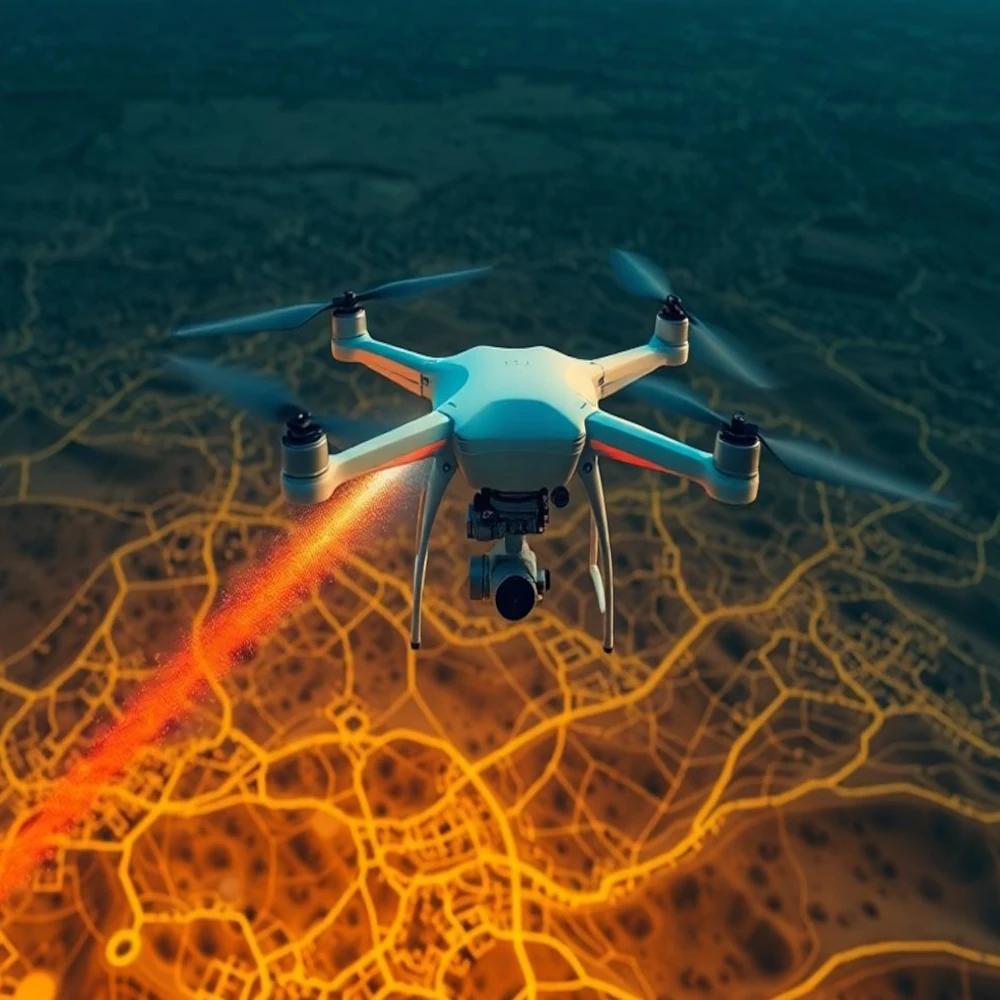
Image credit: ZenaTech – based on manufacturer archives
Discovery of the Name of the First Drone and Its Inventor
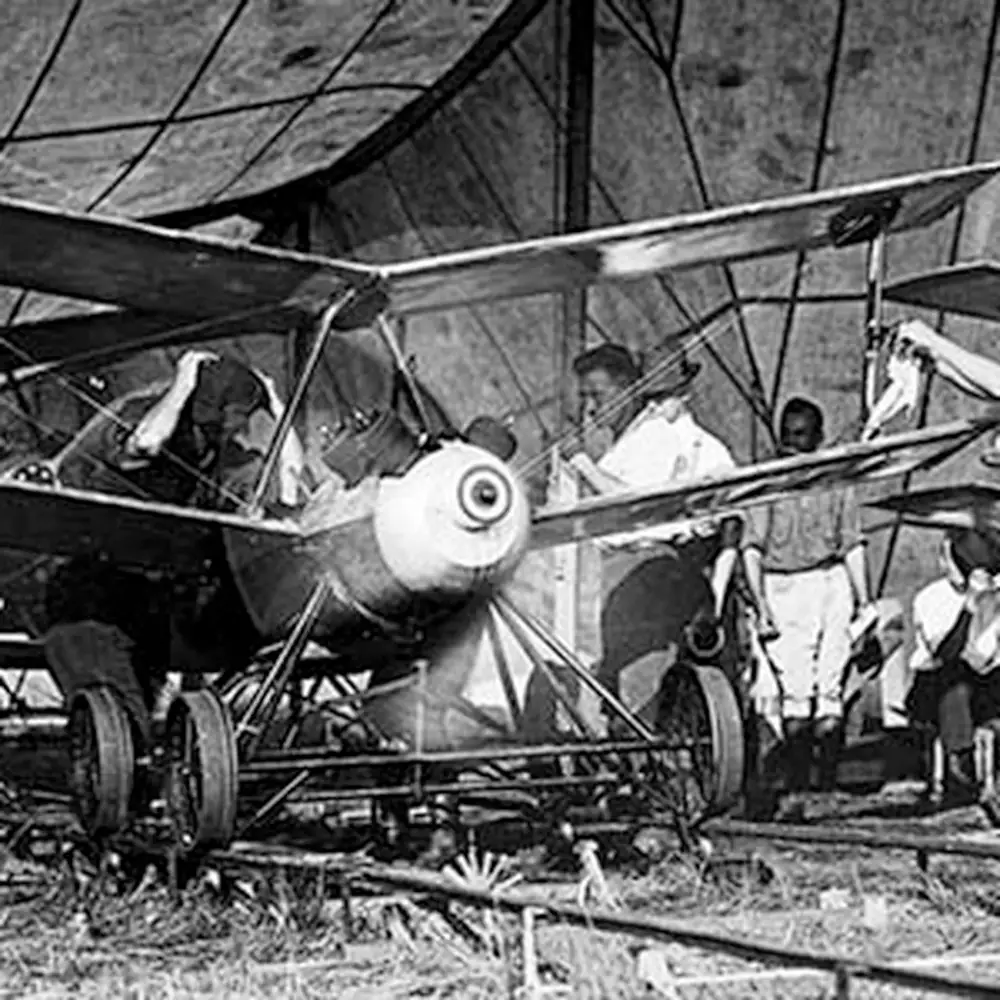
The name of the first drone often credited in history is the “Aerial Target,” developed by British engineer Archibald Low during World War I. Low, regarded as the “father of radio guidance systems” and more recently the “father of the drone,” built this pioneering machine specifically for military training purposes. The first drone flight of the Aerial Target took place in March 1917, controlled remotely via radio signals—a groundbreaking feat at the time though it ended with a crash landing. This event established the functional foundation for unmanned aerial vehicle (UAV) technology, setting the wheels in motion for future developments in drone flight.
However, before Low’s Aerial Target, American inventor Charles F. Kettering developed the “Kettering Bug,” an aerial torpedo also flown remotely in 1917. While the Kettering Bug was designed as a flying bomb and had limited control capabilities, it was among the earliest experiments in unmanned flight initiated by the United States.
Foundations of the First Drone Flight in Military Context
The story of the first drone flight is closely tied to military needs during World War I. Radio control and gyroscopic technologies were nascent but rapidly evolving. Elmer Sperry and his son Lawrence Sperry contributed significantly with the development of gyroscopic stabilizers, which enabled aircraft to maintain steady flight without a pilot’s constant adjustments. Their innovation was critical for allowing remote-controlled drones to fly in a stable and directed manner.
The British Royal Navy later developed the de Havilland DH82B “Queen Bee,” a remote-controlled target drone used in the 1930s. This drone not only popularized the term “drone” but also inspired the buzzing sound for which the name was derived. The Queen Bee marked the transition from experimental flights to practical drone applications, especially in naval anti-aircraft gunnery training.
Key Innovations that Enabled the First Drone Flight
Several technological advancements were essential to achieving the first drone flight and the development of drone technology overall:
-
- Radio Control: Nikola Tesla’s 1898 radio-controlled boat was a groundbreaking conceptual precursor, demonstrating that a vehicle could be maneuvered remotely via radio signals.
-
- Gyroscopic Stabilization: Innovations by Elmer Sperry provided the necessary automatic flight control systems to keep drones stable during flight.
-
- Autopilot Systems: Early autopilot devices allowed drones such as the Aerial Target and Queen Bee to maintain flight paths without pilot input.
These innovations collectively made the remote guidance of unmanned aerial vehicles possible and paved the way for the first controlled drone flight in 1917.
The Evolution of Drone Flights After the First Success
Following the first attempts in World War I, drones evolved primarily for military uses through World War II and the Cold War periods. The United States developed the Radioplane series, with the OQ-2 becoming the first mass-produced UAV. These drones served as aerial targets to train gunners and tested advances in remote control and automation.
Meanwhile, the German V-1 flying bomb represented an early cruise missile, marking a shift in drone roles toward offensive uses. Post-WWII, drones extended into reconnaissance with models like the Ryan Firebee and laid the groundwork for today’s armed and surveillance UAVs.
Modern Drone Technology Building on Historical Flights
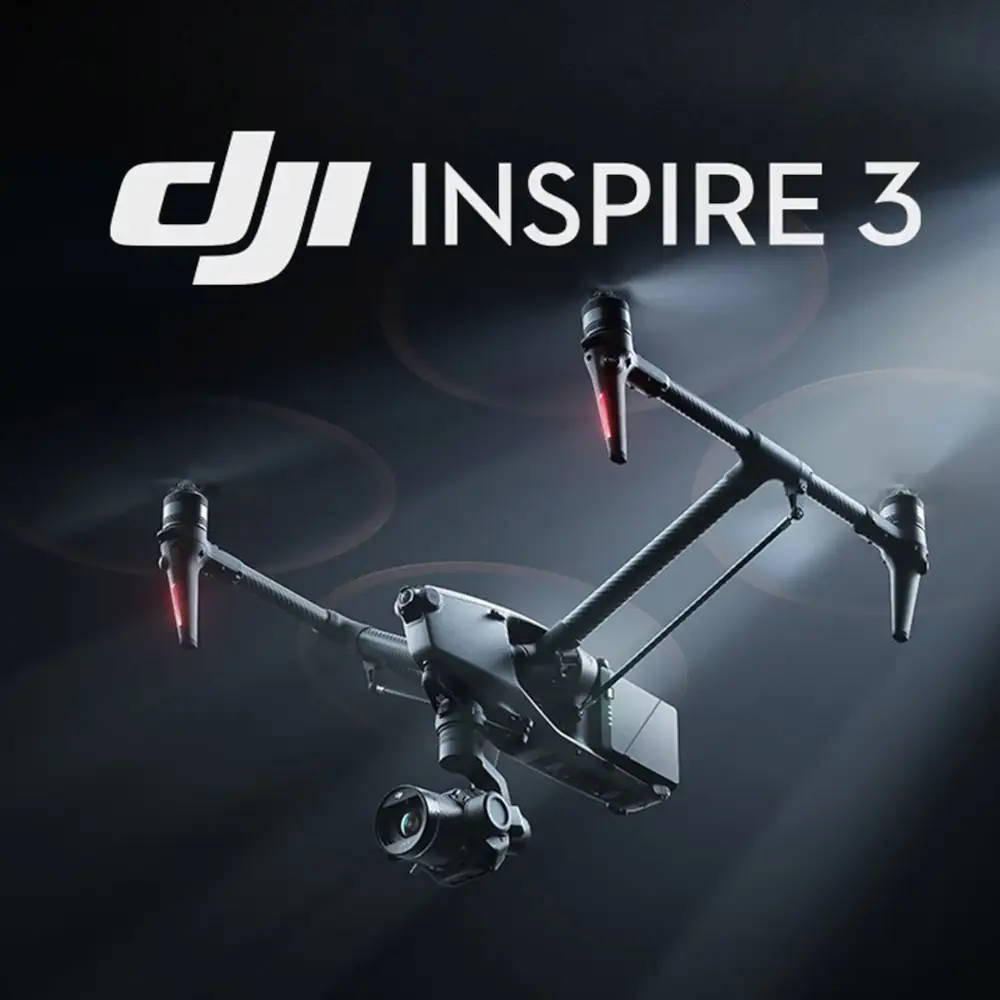
Today’s drones owe their existence to the early flights of experimental machines such as the Aerial Target and Kettering Bug. The progress from crude radio control to sophisticated GPS, AI-guided, and autonomous flight systems shows the immense technological leap. Modern drones now serve civilian purposes in photography, logistics, and environmental monitoring, illustrating how far drone technology has evolved from its military origins.
Tips for Enthusiasts and New Drone Pilots Inspired by Drone History
- Understand the origins: Knowing the history of drone flight helps pilots appreciate how the technology has evolved and brings perspective to the capabilities of modern drones.
- Start with stable controls: Early drones struggled with control and stability, so new pilots should practice on drones with good gyro stabilization and fail-safes to master flight basics.
- Respect regulations: Follow local drone laws for safe and responsible flying, as today’s regulations are shaped by decades of development efforts to make skies safer for everyone.
- Learn from military applications: Military drones were designed for endurance and precision; using these principles can improve flight planning and mission execution for civilian applications.
- Upgrade with technology: Invest in drones with GPS, obstacle avoidance, and autonomous flight modes to maximize control and safety, reflecting the technological journey from the first flights to now.
Conclusion: Reflecting on the First Drone Flight Legacy
The rich history of the first drone flight reveals a compelling story of innovation, perseverance, and transformation. From the earliest remote-controlled Aerial Target in 1917 to today’s intelligent UAVs, the journey has been shaped by inventors like Archibald Low and Charles Kettering, and fueled by wartime needs and peacetime applications alike. Understanding the roots of drone technology not only honors this pioneering legacy but also inspires us to navigate the skies with greater knowledge and responsibility.
Who do you think should be credited as the true pioneer of drone technology? How do you see drone flight evolving in the next decade? Share your thoughts in the comments below!
Frequently Asked Questions (FAQ)
- What is the name of the first drone? The first drone widely credited was the Aerial Target, developed by Archibald Low in 1917.
- Who invented the first drone? The earliest controlled drone flight is attributed to British engineer Archibald Low, though American inventor Charles F. Kettering also contributed with his Kettering Bug aerial torpedo.
- When was the first drone flight? The first remotely controlled drone flight took place in March 1917 with the Aerial Target.
- What was the purpose of the first drones? Initial drones were designed primarily for military use as target practice or flying bombs to reduce risk to human pilots.
- How did drone technology evolve from the first flight? It evolved from simple radio-controlled machines to advanced GPS and AI-enabled UAVs used in both military and civilian fields today.
Sources and References
- The Secret History of Drones | National Air and Space Museum
- The Complete History of Drone Technology | ZenaTech
- When was the drone invented: the story of an invention | Allumee
- Who Invented the Drone? Know When the First Drone Used | XR Tech Group
[1](https://airandspace.si.edu/air-and-space-quarterly/issue-12/secret-history-of-drones)
[2](https://www.allumee.com/en/drone-history/)
[3](https://www.zenatech.com/history-of-drone-technology/)
[4](https://xrtechgroup.com/who-invented-the-drone-and-know-when-the-first-drone-used/)
[5](https://dronelaunchacademy.com/resources/who-invented-the-drone-uav-history-lesson/)
[6](https://www.iwm.org.uk/history/a-brief-history-of-drones)
[7](https://en.wikipedia.org/wiki/History_of_unmanned_aerial_vehicles)
[8](https://wildlifedrones.net/10-things-to-know-before-your-first-drone-flight/)
[9](https://en.wikipedia.org/wiki/Unmanned_aerial_vehicle)
[10](https://www.flyingglass.com.au/why-drone-is-called-drone/)