























DJI Inspire 3: The Ultimate Professional Cinematic Drone Revolutionizing Aerial Filmmaking

When DJI launched the original dji inspire 1 nearly a decade ago, it fundamentally transformed the filmmaking industry, putting capabilities that once required six-figure helicopter setups into the hands of independent creators. Now, with the release of the Inspire 3, DJI has once again redefined what’s possible in aerial cinematography. This isn’t just an incremental…
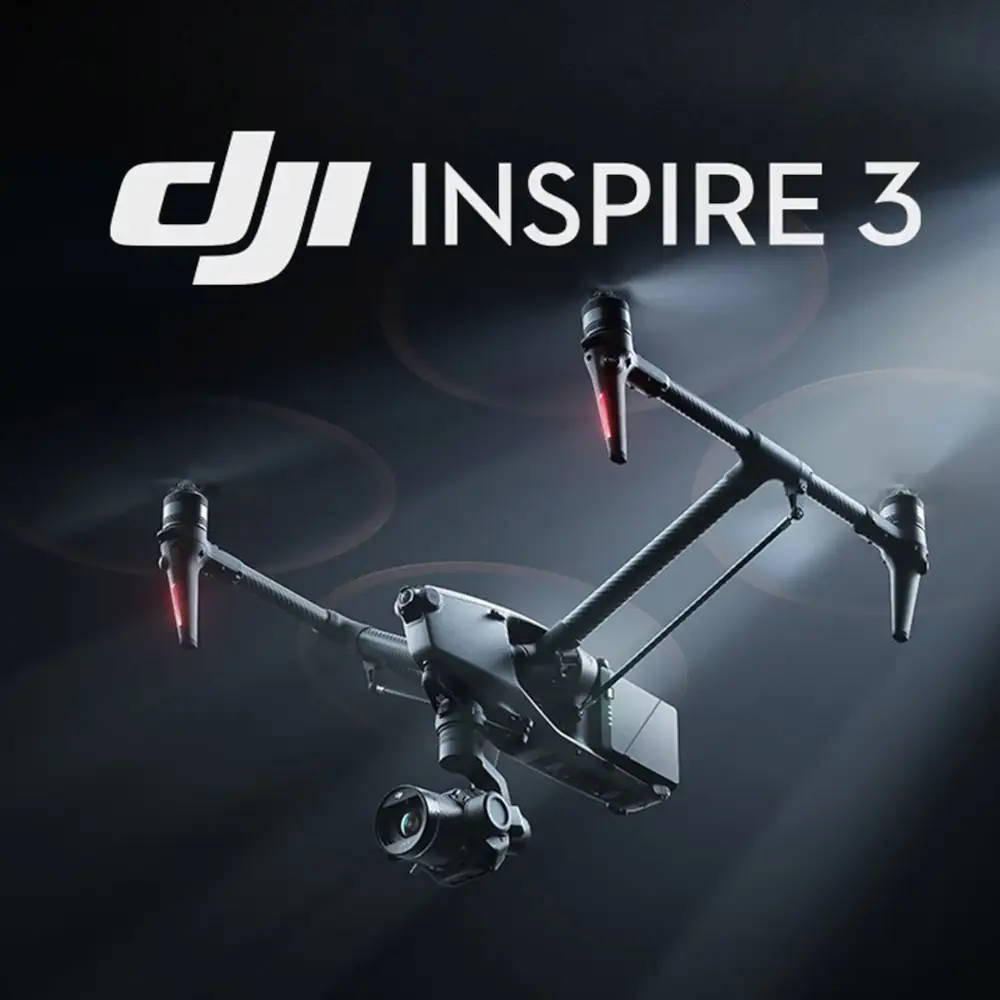
When DJI launched the original dji inspire 1 nearly a decade ago, it fundamentally transformed the filmmaking industry, putting capabilities that once required six-figure helicopter setups into the hands of independent creators. Now, with the release of the Inspire 3, DJI has once again redefined what’s possible in aerial cinematography. This isn’t just an incremental update—it’s a complete reimagining of professional drone technology that will shape visual storytelling for years to come. While some enthusiasts speculate about a future dji inspire 4, the current model represents such a significant leap forward that it will likely remain the industry standard for the foreseeable future. What makes the Inspire 3 particularly remarkable is how it balances raw performance with practical usability, offering an impressive dji inspire 3 flight time (flight time) of up to 28 minutes despite its advanced features and full-frame camera capabilities. This endurance is crucial for professional shoots where every minute of flight time translates to captured footage and client satisfaction.
Donation
Coffee to stay awake, thank you very much for your contribution to keeping our website online.
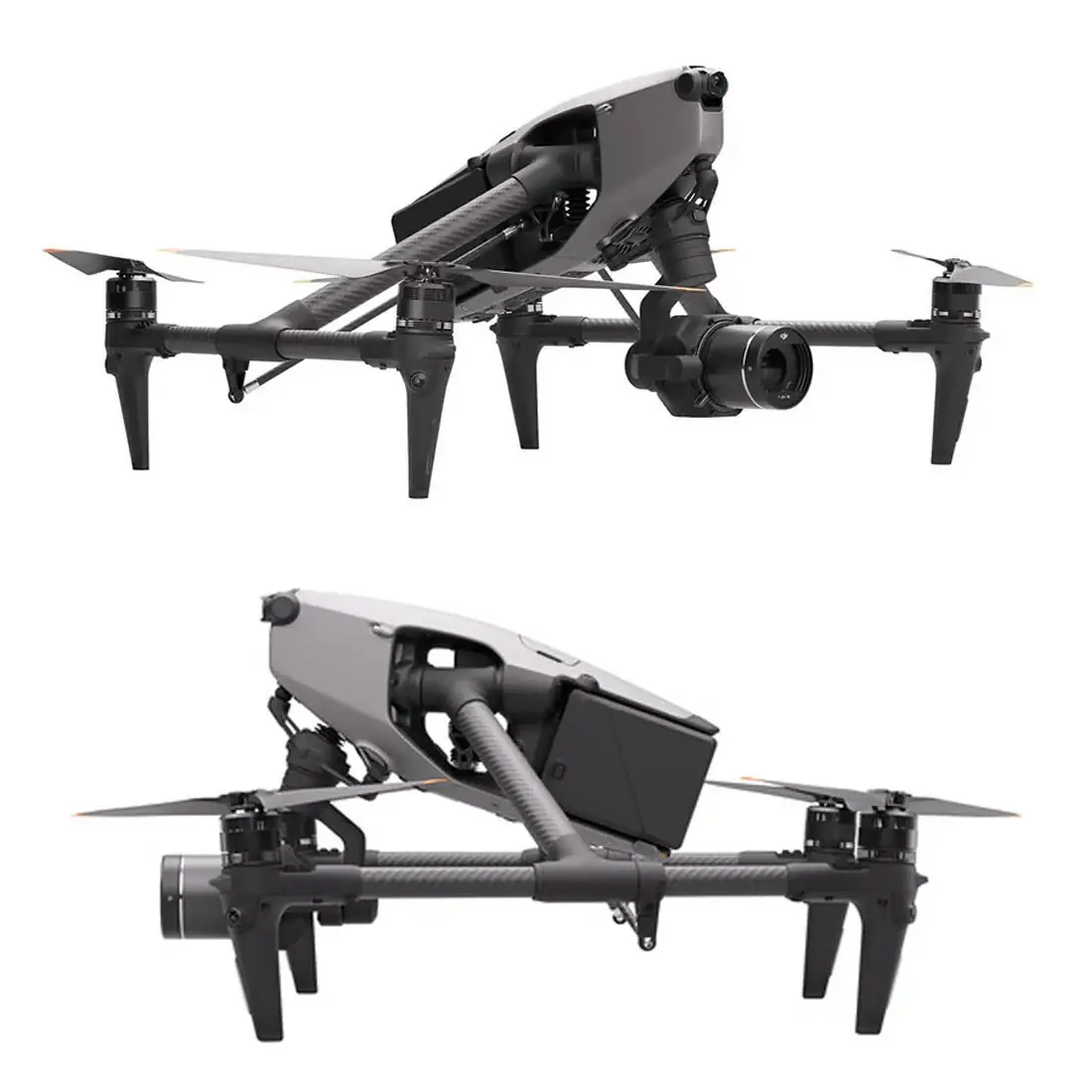
Image Credit: dji.com
The engineering behind the dji inspire 3 flight time optimization reveals DJI’s relentless focus on professional workflow efficiency. Unlike consumer drones where flight time might be a secondary consideration, for professionals operating on tight schedules and budgets, every additional minute directly impacts productivity and creative possibilities. While there’s no such thing as a dji inspire 3 mini variant currently available, the standard model’s design incorporates carbon fiber components and aerodynamic refinements that maximize efficiency without compromising durability. The transition from the pioneering dji inspire 1 to this third generation represents more than just technical progression—it marks the maturation of aerial cinematography as a fundamental filmmaking tool. As we analyze what might eventually appear in a hypothetical dji inspire 4, it’s clear that DJI has set an incredibly high bar with this current iteration, one that balances cinematic quality, operational reliability, and flight performance in a way previously unimaginable outside major studio productions.
Design and Build Evolution: From Industrial Tool to Cinematic Powerhouse
The physical transformation from the original dji inspire 1 to the Inspire 3 reveals DJI’s evolving understanding of professional filmmakers’ needs. The iconic transforming design that first debuted with the dji inspire 1 remains, but it has been refined with aerospace-grade carbon fiber and titanium alloys that reduce weight while increasing structural integrity. The landing gear retraction mechanism, once a novelty, is now an essential feature that provides unobstructed 360-degree camera movement for complex shots. Every component has been optimized for both performance and practicality, resulting in a drone that feels substantial yet nimble in the air. The attention to detail extends to the quick-release propellers and modular components that can be swapped in the field, minimizing downtime during critical shooting schedules.
While some users might wish for a more portable dji inspire 3 mini option for travel productions, the current size-to-performance ratio represents a careful balance between cinematic capability and operational practicality. The airframe has been aerodynamically refined to reduce drag and increase stability, directly contributing to the impressive dji inspire 3 flight time achievements. Compared to the pioneering but limited dji inspire 1, the third generation features a completely redesigned internal structure that better protects the sensitive imaging systems and electronics from vibration and electromagnetic interference. As we look toward potential future developments like a dji inspire 4, it’s likely that materials science will continue to play a crucial role in balancing durability, weight, and flight characteristics for professional applications.
Imaging System: Full-Frame Professional Cinema Camera in the Sky
At the heart of the Inspire 3 is what might be the most advanced aerial camera system ever deployed on a commercial drone. The Zenmuse X9-8K Air gimbal and camera combination represents a monumental leap from the Micro Four Thirds systems found on previous generations. With a full-frame 8K sensor capable of recording in ProRes RAW and Apple ProRes codecs, the Inspire 3 delivers image quality that meets the standards of Hollywood productions. The camera features a native dynamic range of over 14 stops, capturing incredible detail in both shadows and highlights—a crucial capability when shooting in challenging lighting conditions like sunrise or sunset. The dual native ISO technology ensures clean footage in low-light situations that would have been impossible with earlier systems.
The modular camera design allows cinematographers to leverage DJI’s DL-Mount system with interchangeable lenses, providing creative flexibility previously unavailable in aerial platforms. This represents a fundamental shift from the fixed-lens approach of the original dji inspire 1 and addresses one of the main limitations professionals faced with earlier models. While the imaging capabilities are undoubtedly professional-grade, they do require substantial data management planning—a single flight utilizing the full dji inspire 3 flight time can generate terabytes of footage that need to be managed on set. As we consider what a future dji inspire 4 might bring, computational photography and AI-enhanced imaging could further bridge the gap between aerial and ground-based cinema cameras, though the X9-8K already narrows this gap considerably.
Flight Performance and Intelligent Features: Beyond Basic Drone Operations
The Inspire 3’s flight characteristics represent a perfect marriage of power and precision, with a redesigned propulsion system that delivers both impressive speed and rock-solid stability. The aircraft can reach a maximum speed of 94 km/h in normal mode and 72 km/h when recording 8K footage, allowing for dynamic moving shots that were previously challenging to execute smoothly. The obstacle avoidance system has been significantly enhanced with omnidirectional sensing, using vision sensors and ToF (Time of Flight) lasers to detect obstacles in all directions—a crucial safety feature when operating in complex environments. The Advanced Pilot Assistance System (APAS 5.0) can automatically plan avoidance routes in real-time, allowing operators to focus on composition rather than navigation.
One of the most practical improvements for professional workflows is the optimized dji inspire 3 flight time. While 28 minutes might not sound dramatically different from consumer drones on paper, the consistency of performance throughout the battery cycle is what sets it apart. The voltage remains stable until the final moments of flight, ensuring consistent power to both the propulsion system and camera equipment. This reliability is essential when capturing critical shots that cannot be easily repeated. The aircraft also features an upgraded transmission system with a maximum range of 15 km and enhanced anti-interference capabilities, maintaining a stable video feed even in urban environments with significant RF noise. While some might hope for a compact dji inspire 3 mini with similar capabilities, the current flight performance characteristics are directly tied to the aircraft’s size and power systems, making such a variant unlikely without significant technological breakthroughs.
Professional Workflow Integration: From Capture to Post-Production
What truly separates the Inspire 3 from consumer drones and even its predecessor the dji inspire 1 is its comprehensive approach to professional workflow integration. The system is designed from the ground up to fit seamlessly into existing cinema production pipelines. The ability to record Apple ProRes and ProRes RAW natively means that footage can go straight into editing timelines without time-consuming transcoding, preserving maximum image quality throughout the post-production process. The camera captures CinemaDNG and supports the ACES (Academy Color Encoding System) workflow, ensuring color consistency from acquisition through final delivery. For productions requiring real-time monitoring, the LiveView quality has been significantly improved with lower latency and higher resolution, giving directors and clients a accurate representation of what’s being captured.
The RC Plus controller features a 7-inch high-brightness display that remains visible even in direct sunlight, along with customizable buttons that can be mapped to frequently used functions. For complex shots, the drone supports waypoint missions, active track, and other automated flight modes that can be precisely planned and executed. The dji inspire 3 flight time becomes particularly important in these scenarios, as automated sequences often require the entire battery cycle to complete complex camera movements and flight paths. While the original dji inspire 1 introduced many filmmakers to professional aerial work, the Inspire 3 represents a complete ecosystem solution that addresses the practical realities of film set operations, from the moment the case is opened to the final color grade. As we look toward a potential dji inspire 4, we might see even deeper integration with cloud-based collaboration tools and AI-assisted filming techniques.
Comparative Analysis: Where the Inspire 3 Fits in the Professional Market
Understanding the Inspire 3’s position in the market requires looking at both its predecessors and potential competitors. The original dji inspire 1 created the professional aerial cinematography category, but was ultimately limited by its camera system and flight characteristics. The Inspire 2 addressed many of these limitations but still utilized a smaller sensor than traditional cinema cameras. The Inspire 3 closes this gap completely, offering image quality that genuinely rivals ground-based cinema cameras while maintaining the unique perspectives only possible from the air. When compared to custom-built drone solutions that might carry RED or ARRI cameras, the Inspire 3 offers a more integrated and reliable package at a fraction of the cost and complexity.
For professionals considering their options, the practical advantages extend beyond mere specifications. The reliability of the dji inspire 3 flight time means fewer battery changes during tight shooting schedules, while the comprehensive obstacle avoidance reduces the risk of costly accidents. While some might wonder if a hypothetical dji inspire 4 could offer even more flight time, the current 28-minute duration represents a careful balance between performance, weight, and safety margins. The absence of a dji inspire 3 mini option suggests that DJI believes the professional market prioritizes capability over portability, though this could change as technology evolves. What’s clear is that for serious filmmakers, production companies, and commercial operators, the Inspire 3 represents the new gold standard—a tool that delivers consistent, broadcast-quality results while surviving the rigors of daily professional use.
Donation
Coffee to stay awake, thank you very much for your contribution to keeping our website online.
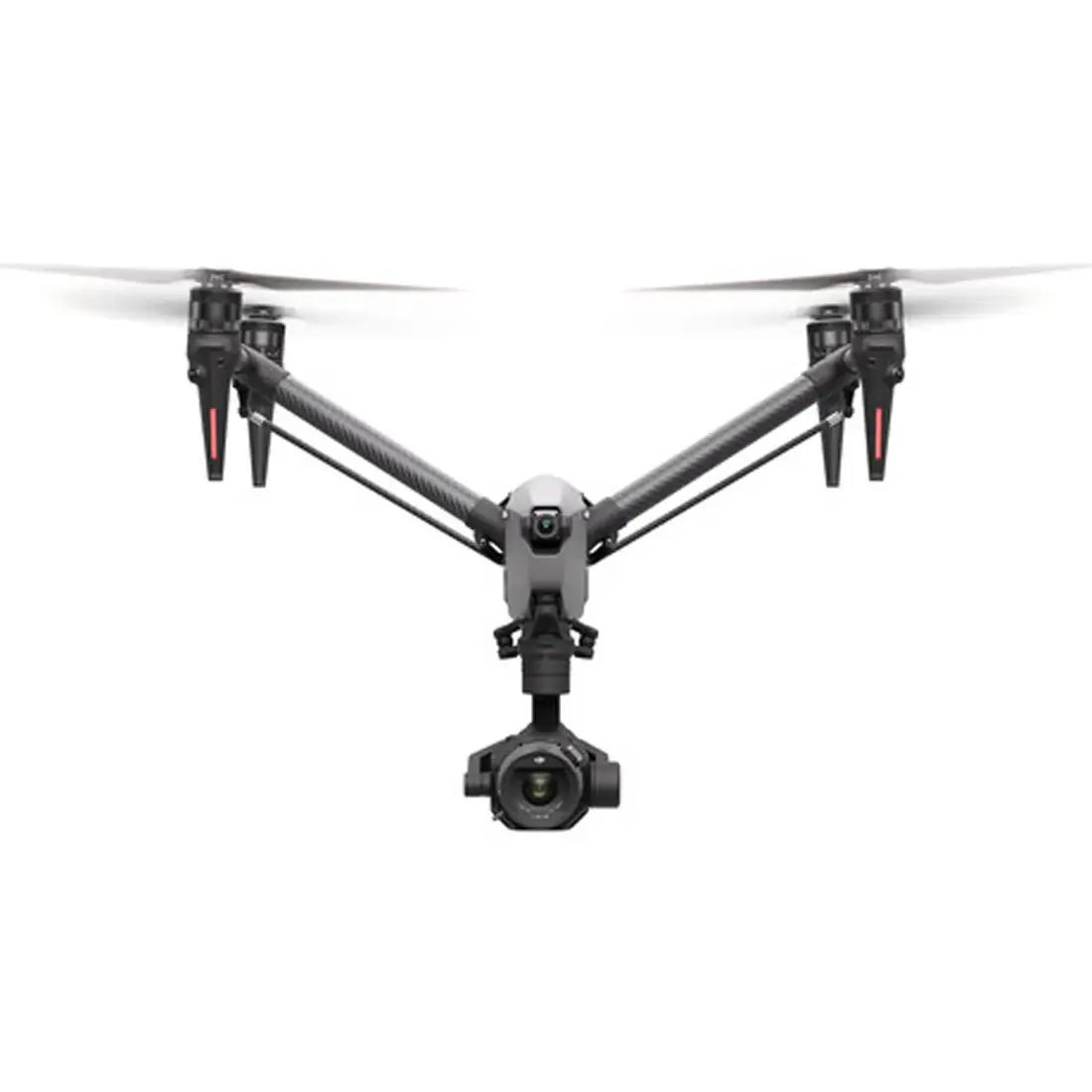
Image Credit: dji.com
Frequently Asked Questions About the DJI Inspire 3
Q: How significant is the upgrade from the original DJI Inspire 1 to the Inspire 3?
A> The difference is monumental. While the dji inspire 1 introduced the transforming design that became an industry standard, the Inspire 3 features a full-frame 8K camera, significantly improved flight performance, comprehensive obstacle avoidance, and professional codec support that simply didn’t exist in the earlier model. It’s the difference between an introductory professional tool and a complete cinematic solution.
Q: Is there going to be a DJI Inspire 4 released soon?
A> DJI has not announced any plans for an dji inspire 4, and given the recent release and extensive capabilities of the Inspire 3, it’s unlikely we’ll see a successor in the immediate future. The Inspire 3 represents such a significant technological leap that it will likely remain current for several years before requiring a major update.
Q: What factors affect the actual DJI Inspire 3 flight time in real-world use?
A> The published dji inspire 3 flight time of 28 minutes is achieved under ideal conditions. Real-world factors that reduce flight time include wind resistance, aggressive flying maneuvers, payload weight, temperature extremes, and recording in resource-intensive codecs like ProRes RAW. Most professionals plan for approximately 20-23 minutes of operational flight time to maintain safety margins.
Q: Does DJI plan to release a more compact Inspire 3 Mini model?
A> There has been no official announcement regarding a dji inspire 3 mini variant. The current Inspire 3’s size and weight are directly related to its performance capabilities, particularly the full-frame camera system and flight characteristics needed for professional work. A smaller version would likely compromise too many of the features that make the Inspire 3 appealing to its target market.
Q: Is the Inspire 3 suitable for independent filmmakers or is it strictly for large productions?
A> While the Inspire 3 is undoubtedly a premium professional tool, its ease of use and integrated system make it accessible to serious independent filmmakers who require cinematic quality. The ability to capture footage that seamlessly integrates with traditional cinema cameras can justify the investment for projects where aerial cinematography is a central component rather than an occasional addition.
For professional filmmakers and aerial cinematographers: which feature of the Inspire 3 would most significantly impact your workflow—the full-frame 8K camera system, the extended and reliable flight time, or the comprehensive obstacle avoidance and intelligent flight modes? Share your experiences and perspectives in the comments below.