





















Introduction to DLT – Distributed Ledger Technologies

Distributed Ledger Technologies In this article, I will talk about Introduction to Distributed Ledger Technologies in Blockchain, which is our topic for this article. I will cover a basic introduction so that the article is not too long, and as I always say, if you want to delve deeper into the subject, just click…
Distributed Ledger Technologies
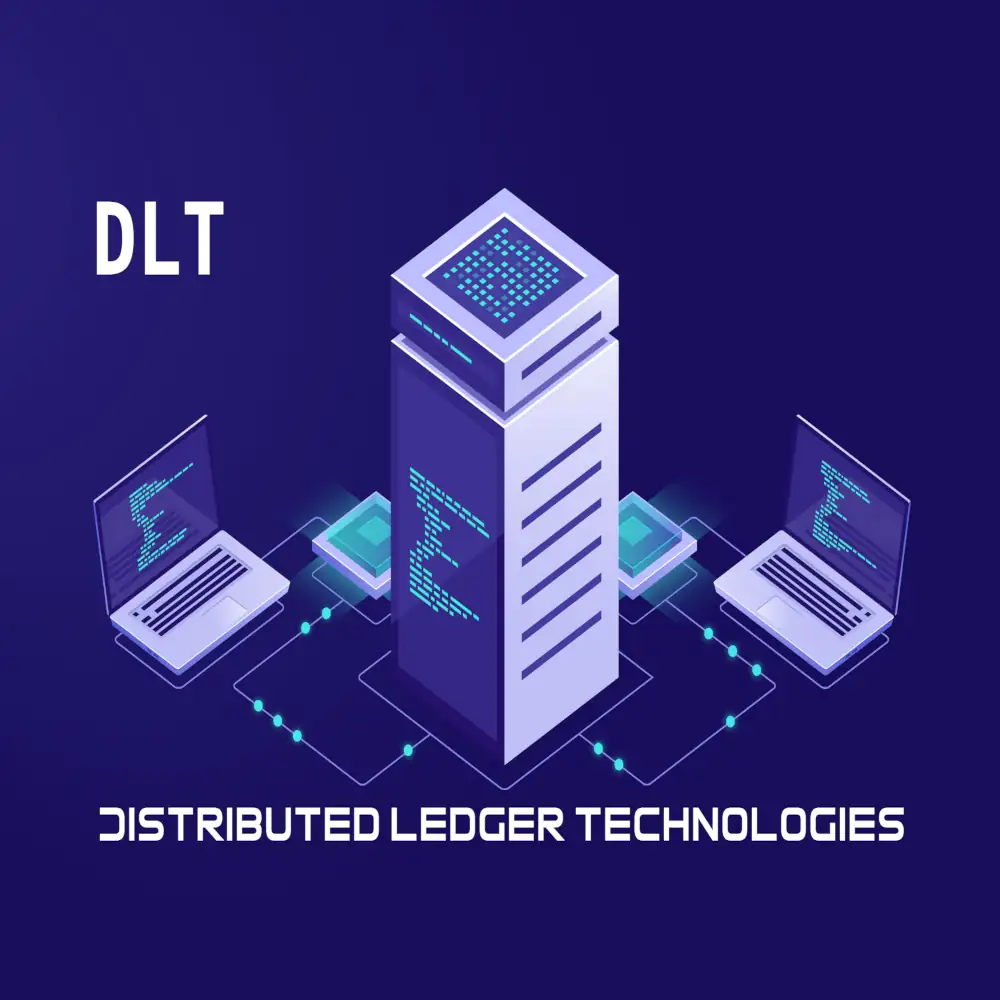
In this article, I will talk about Introduction to Distributed Ledger Technologies in Blockchain, which is our topic for this article. I will cover a basic introduction so that the article is not too long, and as I always say, if you want to delve deeper into the subject, just click on the source links at the end of the article. Distributed Ledger Technology DLT is a digital system that allows data to be stored and synchronized securely between multiple networked computers. Unlike traditional databases, DLT does not rely on a central server; each participant maintains an identical copy of the record, ensuring transparency, immutability, and resistance to fraud. This technology is the basis for solutions such as blockchain and smart contracts, widely used in finance, logistics, and other areas that require trust and traceability of information.
Donation
Coffee to stay awake, thank you very much for your contribution to keeping our website online.
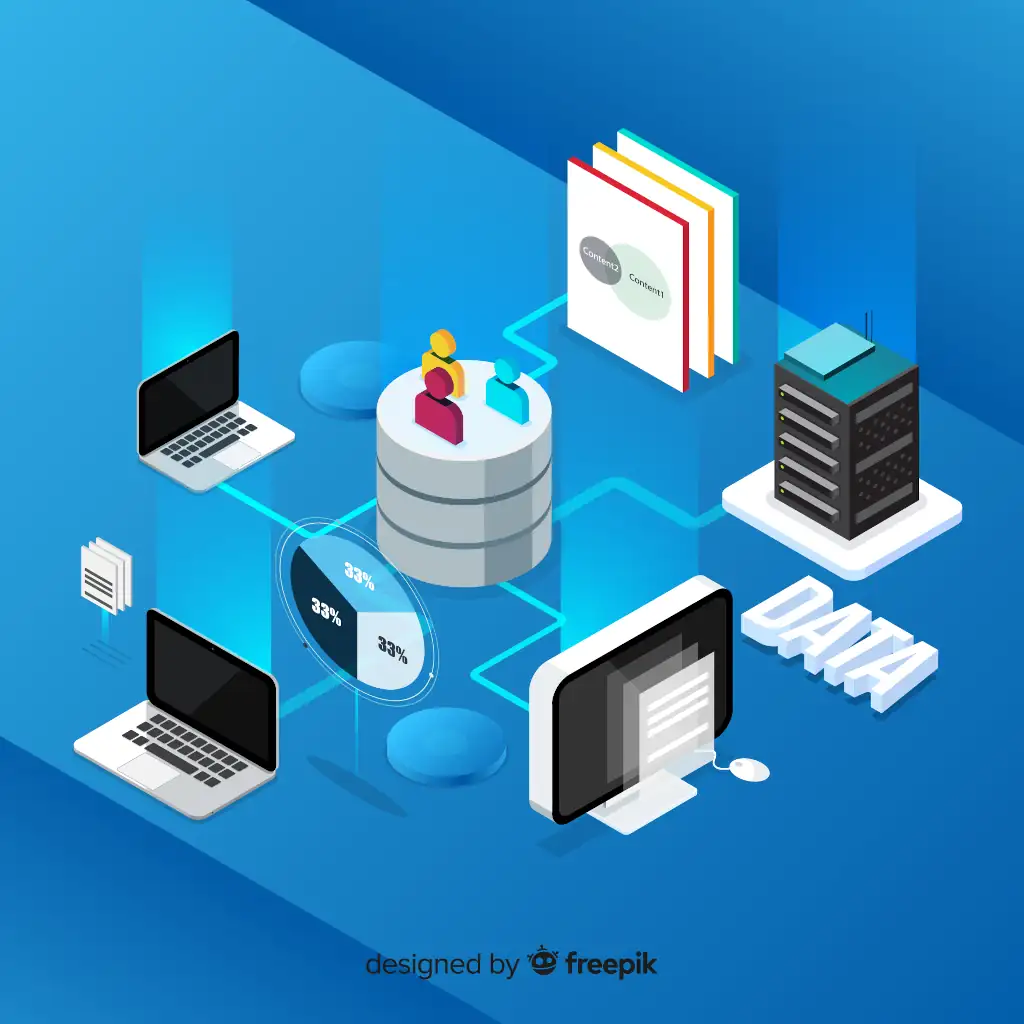
Credit image: https://www.freepik.com
Distributed Ledger Technology
The terms “DLT” and “blockchain” are increasingly present in the world of cryptocurrencies and financial technologies. Although they are often used interchangeably, they have specific differences.
In this article, we will explore the meaning of DLT (Distributed Ledger Technology), explain how it differs from blockchain, and discuss its relationship with the Real Digital, the new digital currency announced by the Central Bank of Brazil.
Let’s dive into this topic and better understand what DLT is and how it applies to the Real Digital!
What is DLT (Distributed Ledger Technology)?
DLT, or Distributed Ledger Technology, is a data storage system distributedacross a network of computers.
Unlike centralized databases, where information is controlled by a central authority, DLT allows data to be shared and updated independentlyby the nodes participating in the network.
This decentralization eliminates the need to rely on a central institution and offers greater transparency and security in financial transactions.
What is the difference between DLT and blockchain?
Although every blockchain is a form of DLT, not every DLT is a blockchain.
Blockchain is a specific type of DLT that uses a chain of blocks to store and organize transactions.
The blocks contain verified information and are linked together using cryptography, making it difficult to alter previous data.
On the other hand, other types of DLT use different data structures to store transactions and may adopt different consensus mechanisms.
What is Distributed Ledger Technology (DLT)?
Distributed Ledger Technology (DLT) represents an innovative approach to digitally storing and updating records across multiple nodes in a network. This decentralized structure underpins the functionality of blockchains, significantly enhancing data security, transparency, and reliability without the need for numerous audits.
By leveraging cryptographic techniques, DLT automates transaction validation, making it a transformative tool across various industries, from finance to manufacturing.
Key findings
- Distributed ledger technology (DLT) enables secure, transparent, and decentralized record keeping across a network, improving data integrity and reducing the need for audits.
- While all blockchains are distributed ledgers, not all distributed ledgers are blockchains; DLT offers broader applications that go beyond blockchain’s focus on cryptocurrencies.
- Key benefits of DLT include increased security, transparency, and efficiency through smart contracts, although challenges such as complexity and scalability remain.
- Various industries, including healthcare and supply chain management, are adopting DLT solutions to improve data management and operational efficiency.
- Consensus mechanisms such as Proof of Work and Proof of Stake ensure the validity of transactions in DLT systems, providing a secure framework for data integrity.
Understanding how DLT works
DLTs enable information to be stored securely and accurately through encryption. Data can be accessed through “keys” and cryptographic signatures. Once stored, the information can become an immutable database; network rules, written into the database’s programming code, govern the ledger.
Industries that benefit from DLT implementation
Distributed ledgers are created for a variety of purposes, but one of the most common uses is as a platform for others to scale and utilize. One of the best-known distributed ledgers is Hyperledger Fabric. It is a modular and scalable DLT platform that several companies have used to create solutions covering various sectors. Some sectors that have implemented DLT solutions include aviation, education, healthcare, insurance, manufacturing, transportation, and public services.
Hyperledger.org. “Supplier Directory.”
Supply chains can benefit greatly from DLT. Many factors make these chains inefficient, inaccurate, and susceptible to corruption or loss. Fujitsu, a global data and information technology company, has developed distributed ledger technology to improve supply chain transparency and fraud prevention by protecting and tracking data.
Donation
Coffee to stay awake, thank you very much for your contribution to keeping our website online.
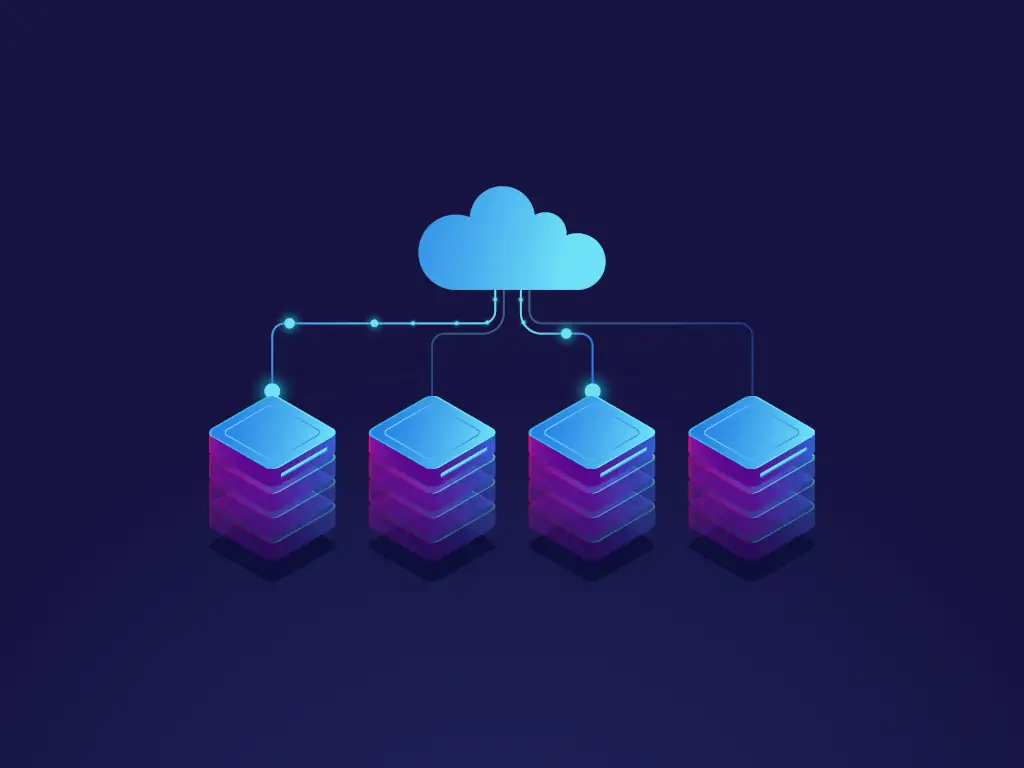
Credit image: https://www.freepik.com
Practical applications of DLT
In addition to specific industries, there are also specific situations where DLT solutions have been proven to add value. Some examples of specific uses of DLT include:
- Recording transactions: DLT enables secure, transparent, and decentralized transactions without the need for a central authority. As DLT is a ledger, it records inflows and outflows. While this naturally applies to financial records, DLT can record any type of transaction, not just those of a financial nature.
- Secure identities: DLT can be used to create a secure and tamper-proof digital identity for individuals, as the technology can provide a reliable way to verify identities and prevent identity theft.
- Vote collection: DLT can be used to create a secure and transparent voting system that can prevent electoral fraud and ensure the integrity of the voting process. As mentioned above, as transactions (financial or non-financial) are recorded, a transparent, immutable, and open record of interactions with users is saved. This increases the fairness and credibility of an opinion poll.
- Enforce contracts: DLTs enable smart contracts, programs that automatically execute or complete based on prevailing conditions. For example, an insurance claim can automatically release funds after being processed and approved. This limits errors, and DLTs make it difficult for malicious individuals to alter information.
- Demonstrate ownership: DLT can be used to record real estate transactions, creating a transparent, tamper-proof record of ownership and transfer of title. While there are some limitations in translating the actual ownership of physical assets to a distributed ledger, the ledger may be able to convey an unalterable source of truth about ownership.
Conclusion
DLT combines decentralization, security, and efficiency, making it one of the key innovations for the future of digital systems. By eliminating intermediaries and ensuring data integrity through encryption and consensus, it creates new ways to reliably record, validate, and share information. Therefore, understanding DLT is essential for anyone seeking to understand how the technologies that underpin the modern digital economy work.
For more information, click on the source links below.
Sources
- https://descompliqi.com.br/dlt-distributed-ledger-technology
- https://www.youtube.com/watch?v=D80QD1KrEjg
- https://assets.kpmg.com/content/dam/kpmgsites/ch/pdf/decentralized-ledger-technology-banking.pdf.coredownload.inline.pdf
- https://www.investopedia.com/terms/d/distributed-ledger-technology-dlt.asp