




























Amazon’s Blue Jay Robotic System: Revolutionizing Warehouse Automation

Amazon has long been at the forefront of integrating robotics into its massive logistics and fulfillment operations, deploying more than 750,000 robots worldwide. The latest innovation, the Amazon Blue Jay robotic system, pushes the boundaries of automation by combining multiple handling functions like picking, stowing, and consolidating into one streamlined robotic station. As Amazon expands…
Amazon has long been at the forefront of integrating robotics into its massive logistics and fulfillment operations, deploying more than 750,000 robots worldwide. The latest innovation, the Amazon Blue Jay robotic system, pushes the boundaries of automation by combining multiple handling functions like picking, stowing, and consolidating into one streamlined robotic station. As Amazon expands its robotic fleet and explores initiatives like Project Eluna and continued advancements toward Amazon delivering the future 2025, Blue Jay exemplifies the strategic direction to enhance efficiency while supporting workforce safety.
Donation
Coffee to stay awake, thank you very much for your contribution to keeping our website online.
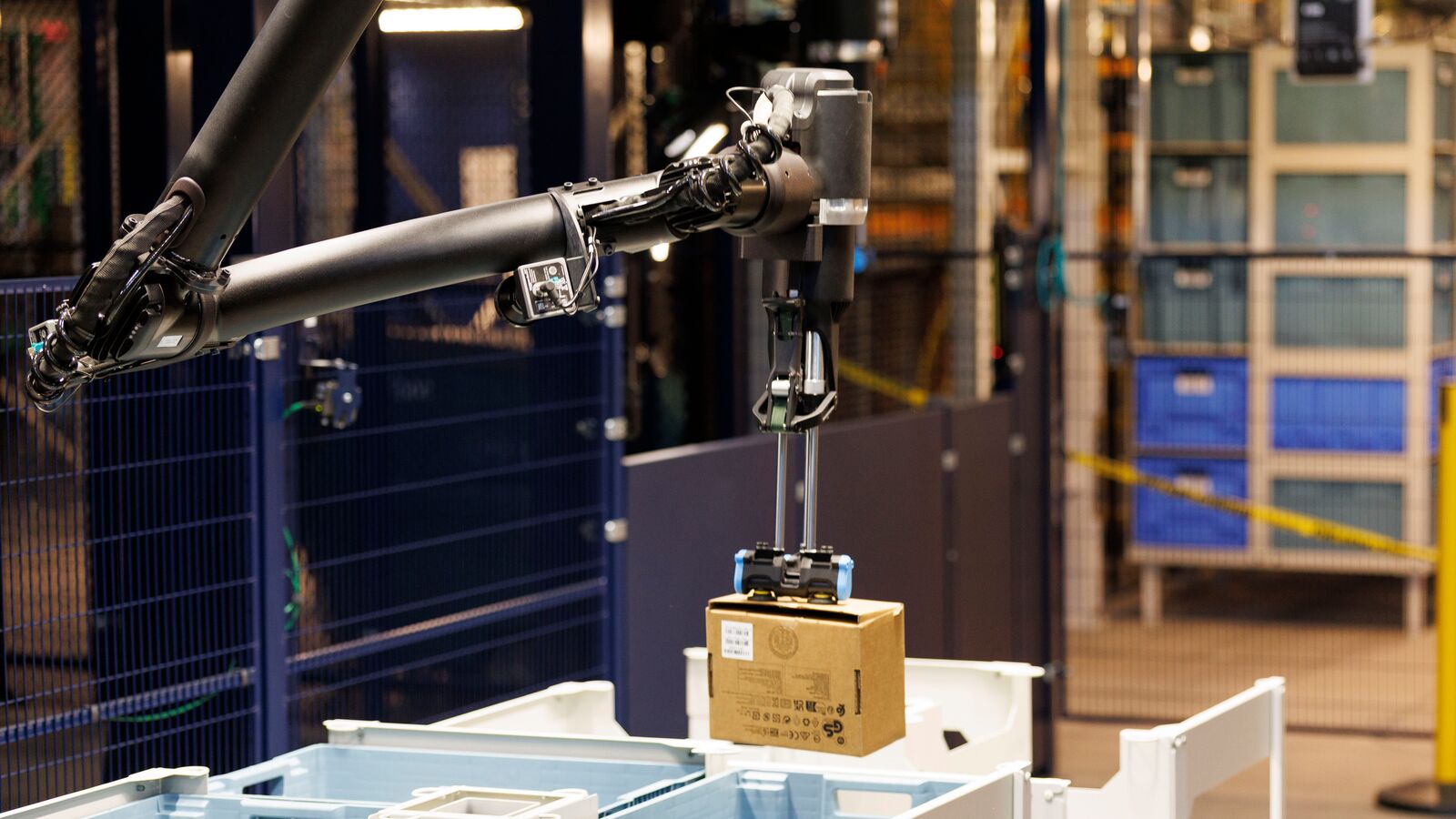
Image source: Amazon Official Website
Introducing Blue Jay: A Multifunctional Robotic Marvel
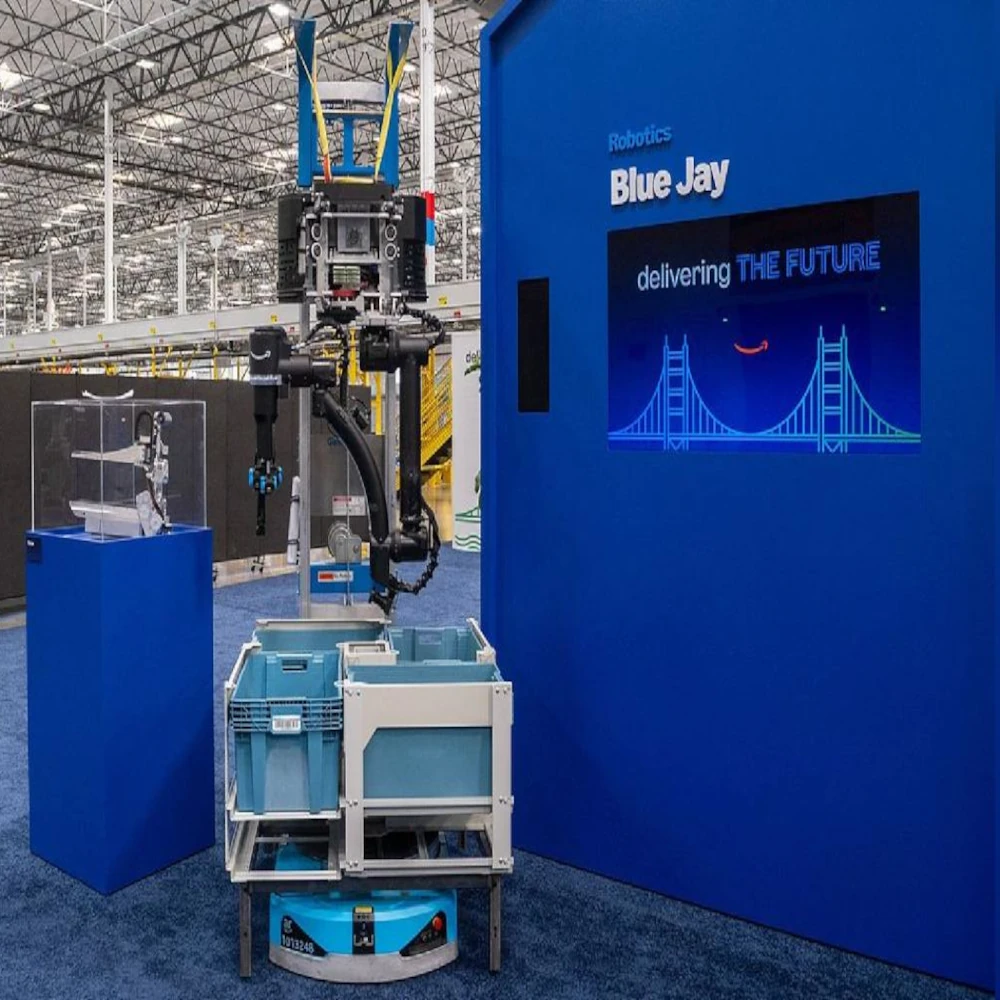
Launched recently into production trials at a South Carolina warehouse, Amazon’s Blue Jay robot represents an evolution beyond earlier robotic systems like Robin, Cardinal, and Sparrow. What makes Blue Jay stand out is its ability to combine three distinct tasks—picking, stowing, and consolidating—into a single robotic station equipped with multiple synchronized robotic arms. This consolidation eliminates the need for three separate processing stations, thus saving significant floor space and improving workflow speed.
Amazon claims that Blue Jay can handle roughly 75% of the types of items stored in its fulfillment centers, illustrating its broad operational versatility. The robot’s arms, equipped with suction cups and advanced tactile sensing, can manipulate objects of various shapes and sizes, adapting dynamically to each task.
How Blue Jay Uses AI and Robotics to Speed Delivery
Blue Jay’s development was accelerated significantly compared to earlier generations — moving from concept to production in just a little over a year, thanks to AI-powered digital twins. These digital twins provide a precise simulation environment that allows engineers to prototype and test dozens of robot versions virtually, saving months or years of trial-and-error physical testing. AI plays a crucial role by leveraging the vast data and experiential knowledge collected from Amazon’s existing robot fleets, enabling smarter, more efficient systems.
By automating physically demanding and repetitive tasks, Blue Jay improves overall worker safety and frees human employees for higher-value roles like quality control and problem-solving. Moreover, enabling faster and more accurate picking and sorting helps Amazon offer ultra-fast promises like Sub-Same Day deliveries, fulfilling customer expectations for speed and accuracy.
The Role of Blue Jay in Amazon’s Warehouse Robot Ecosystem
Amazon’s warehouse robot fleet is vast and ever-expanding, with past robotic innovations like Kiva systems that revolutionized automated storage and retrieval. Blue Jay now joins this network as an advanced pick-and-pack coordinator. This strategic addition complements other robotics like “Vulcan,” which features tactile sensing for delicate grasping, and AI-driven systems aimed at optimizing navigation and item handling.
As the company integrates more robotics—now over 750,000 units worldwide—Amazon stresses that robotics do not replace workers but instead augment employee capabilities, reducing injury risks and transforming workflows. Besides robots, Amazon is investing in augmented reality tools and AI models to harmonize human-robot collaboration and streamline logistics end to end.
Mind-Blowing Videos and Real-World Impact of Amazon Warehouse Robots
If you are curious about what it looks like when these robots are in action, you will find numerous mind-blowing videos online showing Blue Jay and its robotic peers moving with precision and speed across giant fulfillment centers. These videos reveal a choreographed “dance” of dozens or hundreds of robots working in tandem with humans, managing tens of thousands of items daily.
Beyond efficiency, the psychological impact on front-line workers is significant. Reports indicate increased job satisfaction due to shifting from strenuous manual labor to supervisory and technical tasks while warehouse safety incidents decrease. These trends suggest that systems like Blue Jay are central to the future of physical work in logistics.
Addressing Worker Concerns: Robots vs. Human Labor
While automation advances raise questions about Amazon replacing workers with robots, the company insists on a balanced approach. Internal documents hint at robot-driven labor cost savings but simultaneously outline plans to hire hundreds of thousands of new employees, reflecting complex operational and economic dynamics.
The interplay of robotics and labor markets remains an essential topic. As Blue Jay and related systems expand, understanding their role in job transformation—not just replacement—will shape both technological deployment and workforce policy discussions in the years ahead.
Practical Tips for Observing and Understanding Amazon Robotics
- Watch official Amazon robotics videos for insights into real operations and technological capabilities.
- Follow Amazon’s announcements about projects like Blue Jay and Project Eluna to stay updated on innovation trends.
- Explore robotics and AI fundamentals to grasp how such systems learn and optimize workflows.
- Join discussions and forums on robotics ethics and labor impact to understand multiple perspectives.
- Consider how warehouse automation might influence your local job market or industry.
Donation
Coffee to stay awake, thank you very much for your contribution to keeping our website online.
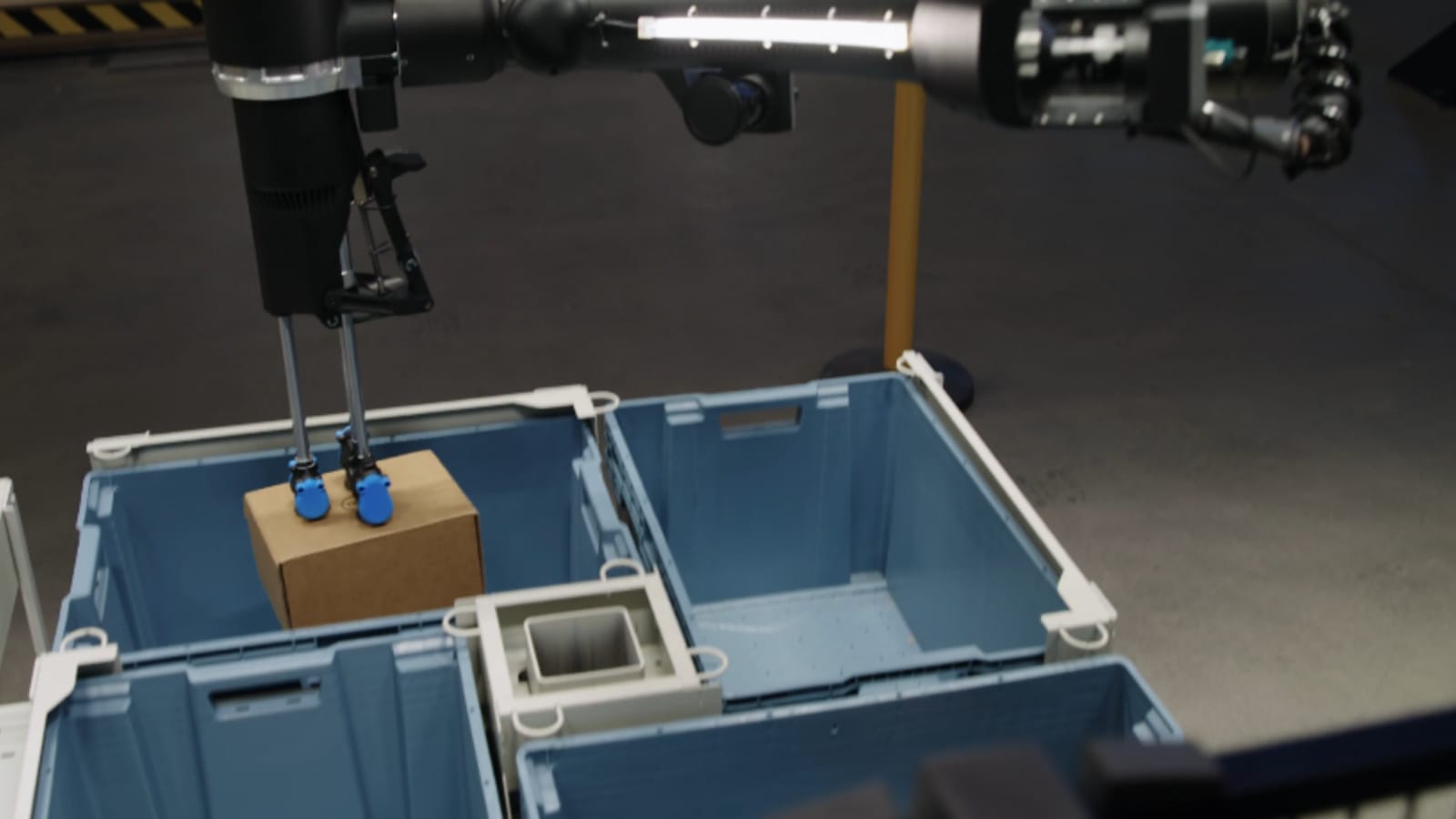
Image source: Amazon Official Website
Conclusion and Invitation for Discussion
The Amazon Blue Jay robotic system exemplifies a new era in warehouse automation, integrating multiple robotic functions into a compact, AI-driven system that boosts operational efficiency while supporting human workers. As robotics reshape logistics landscapes, the balance of technology, humanity, and economic realities becomes ever more crucial.
What are your thoughts on the expansion of robotic systems like Blue Jay in warehouses? How do you envision the future of human-robot collaboration in logistics? We invite you to share your insights, questions, and experiences in the comments below to fuel an engaging community discussion.
Frequently Asked Questions (FAQ)
- What is the Amazon Blue Jay robotic system?
Blue Jay is a next-generation robot that combines picking, stowing, and consolidating tasks in one robotic station using multiple coordinated arms. - How many robots does Amazon use worldwide?
Amazon deploys over 750,000 robots globally across more than 300 fulfillment centers. - Where is Blue Jay currently being tested?
Blue Jay is undergoing production trials at an Amazon warehouse in South Carolina. - Does Blue Jay replace Amazon workers?
Amazon states Blue Jay supports workers by reducing physically demanding tasks, enabling employees to focus on quality control and problem-solving. - What advancements helped accelerate Blue Jay’s development?
AI-driven digital twin simulations and leveraging prior robotic fleet data condensed years of development into just over a year.
[1](https://www.therobotreport.com/how-amazon-cut-development-time-of-new-blue-jay-robot/)
[2](https://www.nasdaq.com/articles/amazon-unveils-blue-jay-robot-system-and-smart-glasses-workers)
[3](https://www.linkedin.com/pulse/amazons-blue-jay-robot-combines-multiple-arms-single-system-heater-abjqe)
[4](https://www.cnbc.com/2025/10/22/amazon-debuts-blue-jay-robot-that-performs-multiple-tasks-at-once.html)
[5](https://www.aboutamazon.com/news/operations/new-robots-amazon-fulfillment-agentic-ai)
[6](https://www.aboutamazon.com/news/operations/amazon-delivering-future-2025-online-shopping-speed-delivery)
[7](https://www.supplychaindive.com/news/amazon-delivery-glasses-fulfillment-robots-ai-model/803748/)
[8](https://mlq.ai/news/amazon-introduces-blue-jay-robotics-system-to-revolutionize-warehouse-efficiency/)
[9](https://www.processexcellencenetwork.com/ai/news/amazon-debuts-blue-jay-robot-to-power-ai-driven-automation-in-operations)